Counseling of a patient with suspected Lyme disease – osce-guide

The beginning of the consultation
- Wash hands and put on PPE if necessary.
- Introduce yourself to the patient by stating your name and role.
- Confirm the patient’s last name, first name and date of birth.
- Explain what the examination will involve using language the patient can understand.
- Get consent for consultation.
- Adequately expose the patient for examination.
- Ask the patient if he is in pain before proceeding with the clinical examination.
Clarification of the main complaint
- Use open-ended questions to explore the patient’s complaints
- Details of the main complaint
- Analyze the patient’s thoughts, fears, and expectations
- Summarize the patient’s complaints
Comprehensive assessment
- Screen for symptoms of damage to other organs and systems
Medical history
- Find out when and how complaints first appeared;
- Clarify what preceded the appearance of complaints
- Find out the possible reason for the appearance of these complaints (the fact of a tick bite, contact with an infectious patient, a violation of the diet, taking medications, etc.) ;
- Did the patient seek medical help, if so, to whom and how did his appeal end, if not, then specify why he did not seek medical help;
- Did the patient take medical drugs independently or as prescribed by a doctor, and if so, how did the symptoms change
- In the case of inpatient treatment for existing complaints, read the extract from the patient’s medical history, pay attention to the results of laboratory or instrumental examinations, the established diagnosis, treatment and recommendations after discharge
- If the patient has previously undergone laboratory or instrumental examinations for current complaints, analyze their results and indicate important findings
- Find out what prompted the patient to contact you
- existing complaints , asking the patient clarifying questions
History of life
- Find out if the patient suffers from chronic diseases, including diabetes, autoimmune diseases, immunodeficiency conditions and others
- Find out whether the patient has recently been in natural areas with a high prevalence of ixodid ticks (steppe grass, bushes, shrubs)
- Find out if the patient has had previous surgeries and find out how the post-operative period was
- Find out whether the patient is constantly taking drugs, if so, indicate the doses of the drugs
- Find out if the patient has a drug or food intolerance and how it manifests itself
- Find out if the patient has bad habits – drinking alcohol, drugs, smoking
- Find out the patient’s marital status, living conditions
- Find out whether the patient works, find out his profession, working conditions, the presence of harmful occupational factors
Objective review
- Assessment of the patient’s general condition
- Conducting a general inspection
- Evaluation of the constitution
- Estimation of the degree of obesity
- Skin and mucous membranes
- Evaluation of hypothyroid glands
- Assessment of peripheral lymph nodes
- Assessment of the locomotor system
- Assessment of respiratory organs
- Evaluation of the cardiovascular system
- Assessment of abdominal organs
- Evaluation of organs of the genitourinary system
Appointment of laboratory methods of examination
- Clinical blood analysis with leukocyte formula and calculation of ESR (erythrocyte sedimentation rate)
- Biochemical analysis of blood (total protein, creatinine, urea, alanine aminotransferase, lactate dehydrogenase, aspartate aminotransferase, glucose, alkaline phosphatase, uric acid, bilirubin with fractions)
- Blood electrolytes (K+ and Na+)
- Enzyme immunoassay (ELISA) to determine the titer of IgM and/or IgG antibodies to Borrelia burgdorferi
- Immunofluorescence reaction (IF) to determine the titer of IgM and/or IgG antibodies to Borrelia burgdorferi
- Polymerase chain reaction (PCR) for identification of the causative agent Borrelia burgdorferi
- Western blotting
- Blood analysis for troponin- I
- Synovial fluid analysis
- Analysis of cerebrospinal fluid
- Evaluation of thyroid function (TSH) (according to indications)
- General urine analysis with sediment microscopy (as indicated)
- Pregnancy test for patients of childbearing age (according to indications)
Appointment of instrumental methods of examination
- Electrocardiography
- Daily Holter ECG monitoring
- Transthoracic echocardiography
- Magnetic resonance imaging of the heart
- X-ray of chest organs
- X-ray of joints
- Ultrasound examination of joints
- Arthrocentesis
Specialist consultations
- Infectionist
- Cardiologist
- Dermatologist
- Rheumatologist
- Neurologist
- Ophthalmologist
- Psychotherapist
Establishing a clinical diagnosis
- Differential diagnosis
- The main disease
- Determination of the period of the disease
- Determination of the form of the disease
- Setting the run option
- Assessment of the severity of the course of the disease
- Assessment of the presence of complications of the disease
- Assessment of the presence of comorbid pathology
- Formulation of clinical diagnosis
Purpose of treatment
- Drug therapy
- Other methods of treatment
Consulting and support
- Inform the patient about the disease
- Explain to the patient the possible causes of the disease
- Inform the patient of the symptoms that may occur with the identified disease
- Discuss the results of the examinations with the patient
- Explain to the patient the possible consequences of the disease
- Educate the patient about available treatments
- Help the patient understand the risks and benefits of different treatments
- Answer the patient’s questions
- Provide an explanation of the extent of monitoring during and after treatment
- Schedule regular check-ups and follow-up to assess the effectiveness of treatment and changes in the patient’s condition
Monitoring the effectiveness of treatment
- Clinical assessment
- Laboratory assessment
- Instrumental assessment
- Control over side effects of therapy
Prevention of re-infection
- Individual protection measures
- Use of repellents to prevent tick bites
- Removing an attached tick
- Antibiotic prophylaxis
End of consultation
- Summarize the data and ask the patient if anything important has been missed
- Inform the patient about further tactics
- Thank the patient
- Dispose of PPE properly and wash hands
Key communication skills
- Active listening
- Summing up
- Selection of indicative signs
The beginning of the consultation
- Wash hands and put on PPE if necessary.
- Introduce yourself to the patient by stating your name and role.
- Confirm the patient’s last name, first name and date of birth.
- Explain what the examination will involve using language the patient can understand.
- Get consent for consultation.
- Adequately expose the patient for examination.
- Ask the patient if he is in pain before proceeding with the clinical examination.
Suspicion that a patient has Lyme disease occurs in the presence of characteristic clinical symptoms, which include:
- symptoms of intoxication (increased body temperature, chills, body aches, general weakness, increased fatigue, decreased appetite);
- skin symptoms (erythema migrans, benign lymphocytoma of the skin, chronic atrophic acrodermatitis);
- symptoms of damage to the musculoskeletal system (pain and swelling of large joints, periodic muscle and tendon pain);
- symptoms of damage to the nervous system (headache, stiffness of the neck, asymmetry of the face in the case of damage to the facial nerve, shooting pain, numbness and tingling in the hands and feet in the case of damage to the peripheral nerves);
- symptoms of damage to the cardiovascular system (chest pain, shortness of breath, heart rhythm and/or conduction disturbances);
- symptoms of eye damage (pain that worsens when palpating the eye, feeling of sand in the eyes, photophobia, decreased visual acuity).
Clarification of the main complaint
- Use open-ended questions to explore the patient’s complaints
- Details of the main complaint
- Analyze the patient’s thoughts, fears, and expectations
- Summarize the patient’s complaints
- Use open-ended questions to explore the patient’s complaints
- Details of the main complaint
The leading symptom of Lyme disease is erythema migrans.
To detail the complaint, it is recommended to follow the following algorithm :
- Localization: find out the localization of the skin rash
- Dynamics over time: specify whether the nature and localization of the skin rash have changed over time
- Exacerbating factors for skin manifestations: find out if there is anything that, according to the patient, aggravates the skin manifestations (dietary disorders, taking medications, etc.)
- Factors that help reduce the rash: Find out if there is anything that helps reduce the rash (medications, diet, etc.)
- Accompanying symptoms: determine whether the skin rash is accompanied by other symptoms, in particular, itchy skin, joint pain, increased body temperature, catarrhal phenomena
” Tell me, where is the rash localized? “
Did the nature and localization of the skin rash change over time ? “
“Is there anything that aggravates the skin manifestations?”
“Is there anything that helps reduce the rash?”
Is the skin rash accompanied by itching, increased body temperature, catarrhal symptoms? “
To detail the pain complaint, it is recommended to use the SOCRATES questionnaire .
| S | Site ( localization ) | Ask about the location of the pain | • “Where does it hurt?” • “Can you tell me exactly where you feel the pain?” • “Can you show me where it hurts?” • “Where is the pain concentrated?” |
| O | Onset | Specify how and when the pain occurred | • “Did the pain come on suddenly or gradually?” • “When did the pain first occur?” • “When did the symptoms appear?” • “Did the pain appear at rest or during physical activity?” • “How long did the pain last?” • “How and when did it start?” • “ Did the pain start suddenly or did it build up gradually ?” • “What exactly were you doing when the pain appeared ? ” • ” What provokes the appearance of pain in you ?” • “When does the pain appear?” • ” Under what conditions does the pain increase ?” |
| C | Character | Ask about specific characteristics of the pain | • “How would you describe this pain?” • ” Is the pain constant or intermittent ?” • “Can you describe the pain to me?” • “ Describe the nature of the pain?” |
| R | Radiation ( and radiation) | Ask if the pain is radiating | • “Does the pain spread elsewhere?” • “ Would it spread/radiate/ migrate/spread ?” • ” Where exactly does the pain spread ?” • “In which part of the body does the pain radiate? “ |
| A | Associated symptoms | Ask if there are other symptoms associated with the pain | • “Are there any other symptoms associated with the pain?” • “Do you have any other symptoms besides pain?” • “What other symptoms bother you ?” • “Do you have other symptoms besides pain ?” |
| T | Time course ( dynamics over time ) | Find out how the pain has changed over time | • “ Has the pain changed over time?” |
| E | Exacerbating or relieving factors | Ask if there is anything that makes the pain worse or worse | • “Does anything make the pain worse?” • “Does anything relieve the pain?” |
| S | Severity | Determine the intensity of the pain by asking the patient to rate it on a scale of 0 to 10 | • “How bad is the pain on a scale of 0 to 10, where 0 is no pain and 10 is the worst pain you have ever felt?” • ” Rate the intensity of the pain on a scale from 0 to 10, where 0 is no pain and 10 is the worst pain you have ever felt?” • “How bad is the pain on a scale of 1 to 10?” • ” Can you rate the strength of oil on a scale from 1 to 10?” |
When conducting surveys, be polite, use “Can you tell me…?” for questions. or “Can you describe…?”
Analyze the patient’s thoughts, fears, and expectations
A key component of history taking is exploring the patient’s thoughts, concerns, and expectations to gain insight into how the patient currently perceives their condition, their concerns, and what they expect from the consultation.
The exploration of thoughts, concerns, and expectations should be fluid throughout the consultation in response to the patient’s cues . This will help to make your consultation patient-oriented , and not formulaic.
It is necessary to use the structure of analyzes of thoughts, fears and expectations so that it sounds natural in your consultation.
| Reflections | Explore the patient’s perception of the current problem | “What do you think could have caused these symptoms?” “Do you have any guesses as to the cause of these symptoms?” |
| Concern | Explore the patient’s current concerns | • “Is there something that bothers you?” • “How do you cope with everyday activities?” “Is there anything you and I haven’t discussed yet?” |
| Expectation | Ask what the patient hopes to gain from the consultation | • “How can I help you today?” • “What do you expect from today’s consultation?” • “What do you think would be the best course of action?” |
Summarize the patient’s complaints
Summarize what the patient told you about his complaint. This allows you to check how correctly you understood the patient’s complaints and gives the patient the opportunity to correct any inaccurate information.
When you have concluded, ask the patient if there is anything else you missed. Periodically, as the consultation progresses, summarize intermediate results.
Comprehensive assessment
- Screen for symptoms of damage to other organs and systems
A comprehensive assessment includes a brief survey of the patient for symptoms of other systems that may or may not be related to the chief complaint. A comprehensive examination also allows you to identify symptoms that the patient forgot to mention.
Some examples of symptoms that you might monitor for each system are presented below.
| System | Symptoms |
| General manifestations | fever, weight change, fatigue, sweating, general weakness, chills |
| Respiratory | shortness of breath, cough, sputum discharge, wheezing, hemoptysis, pleural chest pain |
| Cardiovascular | chest pain, shortness of breath, swelling of the lower extremities, heart failure |
| Gastrointestinal | dyspepsia, dysphagia, nausea, vomiting, abdominal pain, constipation, diarrhea |
| Genitourinary | oliguria, polyuria, nocturia, pain during urination, pain in the lower back |
| Neurological | motor or sensory disturbances, headache, paresis, plegia, neck muscle stiffness, facial asymmetry |
| Locomotor | joint pain and swelling, muscle pain, bone pain |
| eyes | photophobia, feeling of sand in the eyes, palpable pain in the eyes, visual impairment |
| Skin | rashes, ulcers, hemorrhages, petechiae, bruises, hemorrhages, neoplasms |
Medical history
- Find out when and how complaints first appeared;
- Clarify what preceded the appearance of complaints
- Find out the possible reason for the appearance of these complaints (the fact of a tick bite, contact with an infectious patient, a violation of the diet, taking medications, etc.) ;
- Did the patient seek medical help, if so, to whom and how did his appeal end, if not, then specify why he did not seek medical help;
- Did the patient take medical drugs independently or as prescribed by a doctor, and if so, how did the symptoms change
“When did you first develop a rash ?”
What , in your opinion, could have caused its appearance? “
” Have you sought medical help for this? “
- In the case of inpatient treatment for existing complaints, read the extract from the patient’s medical history, pay attention to the results of laboratory or instrumental examinations, the established diagnosis, treatment and recommendations after discharge
- If the patient has previously undergone laboratory or instrumental examinations for current complaints, analyze their results and indicate important findings
- Find out what prompted the patient to contact you
” What prompted you to contact me? “
“What made you turn to me?”
- Exclude other causes of existing complaints by asking the patient clarifying questions
” Does itchy skin bother you ?”
Did you have a fever ? “
Other causes of erythematous rash :
- A hypersensitivity reaction to a tick bite
A hypersensitivity reaction to a tick bite is characterized by the appearance of a rash at the site of the bite, which is accompanied by itching and swelling of the skin. As a rule, these symptoms last for several days and disappear without a trace. In severe cases, an allergic reaction to a tick bite can cause hemodynamic disturbances.
- Nummular eczema
Nummular eczema is characterized by the appearance on the limbs and trunk of bright red foci of inflammation, about 5 cm in diameter, round in shape, which are accompanied by wetting and severe itching. Nummular eczema is characterized by recurrence of the skin rash.
- Dermatomycosis
Dermatomycosis is characterized by the appearance of an area of erythema, which is accompanied by skin itching and exudation. In the anamnesis, such patients may have long-term use of antibiotics, steroid drugs, cytostatics, the presence of comorbid pathology (diabetes mellitus, diseases of the cardiovascular system, HIV infection and other immunodeficiency states), insufficient hygiene.
- Annular granuloma
Ring-shaped granuloma is characterized by the appearance of dense ring-shaped rashes of a flesh-colored or pink color, with a diameter of 1 to 5 cm, which are localized mainly on open areas of the body, in particular on the limbs. Such patients have a history of comorbid pathology (diabetes, thyroid disease, etc.), sunburn, chronic stress, taking certain medications (gold preparations, diclofenac, quinidine, calcitonin, amlodipine, ACE inhibitors, calcium channel blockers). Granuloma annulare usually goes away on its own without treatment.
- Erythema multiforme
Erythema multiforme is characterized by the appearance of an erythematous rash on the skin in the form of a target or bull’s eye with a dark center and a light rim, which is most often localized on the extremities and tends to spread to the skin of the body, accompanied by itching and a burning sensation. The mucous membranes of the lips and cheeks are often involved in the pathological process. Patients with erythema multiforme have a history of persistent herpes simplex virus, chronic autoimmune diseases (in particular, Crohn’s disease, nonspecific ulcerative colitis, systemic lupus erythematosus) or talk about taking certain medications (nonsteroidal anti-inflammatory drugs, antibiotics, anticonvulsants).
History of life
- Find out if the patient suffers from chronic diseases, including diabetes, autoimmune diseases, immunodeficiency conditions and others
- Find out whether the patient has recently been in natural areas with a high prevalence of ixodid ticks (steppe grass, bushes, shrubs)
- Find out if the patient has had previous surgeries and find out how the post-operative period was
- Find out whether the patient is constantly taking drugs, if so, indicate the doses of the drugs
- Find out if the patient has a drug or food intolerance and how it manifests itself
- Find out if the patient has bad habits – drinking alcohol, drugs, smoking
- Find out the patient’s marital status, living conditions
- Find out whether the patient works, find out his profession, working conditions, the presence of harmful occupational factors
Objective review
- Assessment of the patient’s general condition
- Conducting a general inspection
- Evaluation of the constitution
- Estimation of the degree of obesity
- Skin and mucous membranes
- Evaluation of hypothyroid glands
- Assessment of peripheral lymph nodes
- Assessment of the locomotor system
- Assessment of respiratory organs
- Evaluation of the cardiovascular system
- Assessment of abdominal organs
- Evaluation of organs of the genitourinary system
Assess for objects or equipment on or around the patient that may provide useful information about the patient’s medical history and current clinical condition.
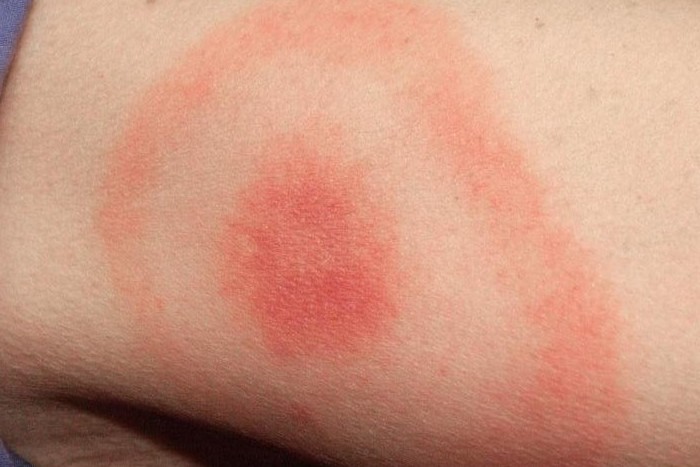
During the examination of the patient, carefully examine the skin. In the early stage of Lyme disease, a migrating erythema appears at the site of a tick bite, with a light center that resembles a target or a bull’s eye, with a diameter of more than 5 cm, which is accompanied by an increase in local temperature. A rare manifestation of early borreliosis is also a borreliosis lymphocytoma – a single bluish-red nodular formation that is localized on the earlobe, near the nipple or on the skin of the scrotum. In the late stage of Lyme disease, chronic atrophic acrodermatitis can often be detected, which is characterized by the appearance of bluish-red spots mainly on the extensor surfaces of the distal parts of the limbs, followed by atrophy of the affected skin.
When the central nervous system is affected, in particular, aseptic meningitis, stiffness of the neck muscles is observed; in case of damage to the peripheral nervous system, in particular, Bell’s palsy, there is asymmetry of the face, the disappearance of the nasolabial fold and the lowering of the affected corner of the mouth; impaired sensitivity and decreased muscle strength in peripheral neuropathy.
In patients with Lyme arthritis, during a physical examination, hyperemia of the skin, swelling over the affected joint, usually a large joint of the lower limb, is determined.
When the eyes are affected, lacrimation, hyperemia of the conjunctiva draws attention.
During auscultation, patients with borreliosis myopericarditis can detect congestion in the lungs, such as wheezing in the lower parts, arrhythmicity, muffled or pathological III heart tone. When a large amount of exudate accumulates in the pericardial cavity, deafness of heart sounds and hypotension are observed.
In patients with heart failure caused by borreliosis myopericarditis, positive hepatojugular reflux, ascites, and swelling of the lower extremities can also be detected.
Appointment of laboratory methods of examination
- Clinical blood analysis with leukocyte formula and calculation of ESR (erythrocyte sedimentation rate)
- Biochemical analysis of blood (total protein, creatinine, urea, alanine aminotransferase, lactate dehydrogenase, aspartate aminotransferase, glucose, alkaline phosphatase, uric acid, bilirubin with fractions)
- Blood electrolytes (K+ and Na+)
- Enzyme immunoassay (ELISA) to determine the titer of IgM and/or IgG antibodies to Borrelia burgdorferi
- Immunofluorescence reaction (IF) to determine the titer of IgM and/or IgG antibodies to Borrelia burgdorferi
- Polymerase chain reaction (PCR) for identification of the causative agent Borrelia burgdorferi
- Western blotting
- Blood analysis for troponin- I
- Synovial fluid analysis
- Analysis of cerebrospinal fluid
- Evaluation of thyroid function (TSH) (according to indications)
- General urine analysis with sediment microscopy (as indicated)
- Pregnancy test for patients of childbearing age (according to indications)
- Clinical blood analysis with leukocyte formula and calculation of ESR (erythrocyte sedimentation rate)
Clinical blood analysis with leukocyte formula and calculation of ESR is one of the mandatory laboratory methods of examination, which are carried out in routine clinical practice for somatic patients. In patients with Lyme disease, an increase in the level of leukocytes and acceleration of ESR can be detected.
- Biochemical analysis of blood (total protein, creatinine, urea, alanine aminotransferase, lactate dehydrogenase, aspartate aminotransferase, glucose, alkaline phosphatase, uric acid, bilirubin with fractions)
Biochemical analysis of blood (total protein, creatinine, urea, alanine aminotransferase, aspartate aminotransferase, glucose, alkaline phosphatase, uric acid, total bilirubin with its fractions) is one of the mandatory laboratory examination methods performed in routine clinical practice for somatic patients.
- Blood electrolytes (K+ and Na+)
Blood analysis for electrolytes (K+ and Na+) is a mandatory laboratory method of examination, which is carried out in routine clinical practice for the diagnosis of electrolyte disorders.
- Enzyme immunoassay (ELISA) to determine the titer of IgM and/or IgG antibodies to Borrelia burgdorferi
Enzyme immunoassay to determine the titer of IgM and/or IgG antibodies to Borrelia burgdorferi is a mandatory laboratory test when Lyme disease is suspected.
A positive result of a test for the presence of antibodies can indicate both an active infectious process and a previous infection, because both classes of immunoglobulins can persist in the blood serum for a long time. That is why a serological test is performed only in case of high probability of Lyme disease.
A negative ELISA result reliably excludes Lyme disease if more than 2-4 weeks have passed since the bite of the ixodid tick. If less than 2-4 weeks have passed since the bite of the ixodid tick, conduct the serological test again after 4-6 weeks.
- Immunofluorescence reaction (IF) to determine the titer of IgM and/or IgG antibodies to Borrelia burgdorferi
The immunofluorescence reaction, which is used to determine the titer of IgM and/or IgG antibodies to Borrelia burgdorferi, is an alternative serological test for suspected Lyme disease.
A positive result of a test for the presence of antibodies can indicate both an active infectious process and a previous infection, because both classes of immunoglobulins can persist in the blood serum for a long time. That is why a serological test is performed only in case of high probability of Lyme disease.
A negative RIF result reliably excludes Lyme disease if more than 2-4 weeks have passed since the bite of the ixodid tick. If less than 2-4 weeks have passed since the bite of the ixodid tick, conduct the serological test again after 4-6 weeks.
- Polymerase chain reaction (PCR) for identification of the causative agent Borrelia burgdorferi
According to existing recommendations, the polymerase chain reaction is of secondary importance for the identification of the causative agent of Lyme disease.
- Western blotting
Western blotting is performed to confirm a positive or doubtful result of ELISA or RIF at the second stage of serological diagnosis.
- Blood analysis for troponin- I
A blood test for troponin-I is performed in patients with suspected borreliosis myocarditis. An increase in the level of troponin-I indicates the benefit of acute damage to cardiomyocytes.
- Synovial fluid analysis
In patients with Lyme arthritis, the synovial fluid is usually inflammatory, with cell counts ranging from 500 to 98,000/μl. There are no uric acid crystals and calcium pyrophosphate crystals in the synovial fluid.
- Analysis of cerebrospinal fluid
In the cerebrospinal fluid of patients with Lyme disease, moderate pleocytosis (up to 1000 cells/μl) with a predominance of lymphocytes, an increased protein concentration (more than 50 mg/dL), and a normal glucose level (45-80 mg/dL) are found.
- Evaluation of thyroid gland function (thyroid-stimulating hormone-TSH) (according to indications)
A blood test for thyroid-stimulating hormone is performed to rule out thyroid dysfunction as a possible cause of some symptoms. For example, both patients with borreliosis myocarditis and patients with thyroid gland dysfunction may complain of shortness of breath, palpitations, and a feeling of heart failure. The similarity of the clinical picture requires laboratory exclusion of pathology of the thyroid gland.
- General urine analysis with sediment microscopy (as indicated)
A general analysis of urine with sediment microscopy is performed when kidney and/or urinary system damage is suspected.
- Pregnancy test if the patient is of childbearing age (as indicated)
It is advisable to perform a pregnancy test on patients of childbearing age to exclude the fact of pregnancy, because some antibacterial drugs used in the treatment of Lyme disease have a teratogenic effect.
Appointment of instrumental methods of examination
- Electrocardiography
- Daily Holter ECG monitoring
- Transthoracic echocardiography
- Magnetic resonance imaging of the heart
- X-ray of chest organs
- X-ray of joints
- Ultrasound examination of joints
- Arthrocentesis
- Electrocardiography
Electrocardiography is a mandatory method of examination of patients with suspected heart damage in Lyme disease. Most often, rhythm and conduction disturbances, in particular AV blockades of various degrees, are registered on the ECG.
- Daily Holter ECG monitoring
Daily Holter ECG monitoring is performed for patients with borreliosis heart disease to diagnose rhythm and/or conduction disorders.
- Transthoracic echocardiography
Transthoracic echocardiography is a mandatory method of examination of patients with suspected heart damage in Lyme disease. In patients with borreliosis myopericarditis, echocardiography can detect areas of local myocardial contractility disorders, effusion in the pericardial cavity.
- Magnetic resonance imaging of the heart
Magnetic resonance imaging of the heart is performed to assess the morphology, kinetics, and function of the heart in suspected borreliosis myocarditis. For MR confirmation of myocarditis, the Lake Louis criteria are used, which confirm the presence of edema and/or the classic pattern of late gadolinium accumulation in the heart tissues.
- X-ray of chest organs
Chest radiography is performed to detect signs of pulmonary congestion in patients with severe Borrelia myopericarditis and symptoms of heart failure.
- X-ray of joints
X-rays of the joints are performed when Lyme arthritis is suspected. In the acute stage of the disease, changes in periarticular tissues are found, with a long course – thinning of cartilage, subcartilaginous cysts, peri-articular osteoporosis, erosions, osteophytes.
- Ultrasound examination of joints
Ultrasound examination of the joints is performed when Lyme arthritis is suspected. Borreliosis arthritis is characterized by thickening of the synovial membrane, an increase in the amount of synovial fluid, and changes in periarticular tissues.
- Arthrocentesis
In case of borreliosis of the joints, in some cases it is advisable to perform an arthrocentesis followed by an examination of the synovial fluid.
Specialist consultations
- Infectionist
- Cardiologist
- Dermatologist
- Rheumatologist
- Neurologist
- Ophthalmologist
- Psychotherapist
- Infectionist
Given that Lyme disease is an infectious disease, consultation with an infectious disease specialist aimed at timely diagnosis and the appointment of appropriate treatment is mandatory.
- Cardiologist
Lyme disease is often accompanied by heart damage with the development of myocarditis or myopericarditis, which requires consultation with a cardiologist. The cardiologist prescribes additional examination, including electrocardiography, daily Holter heart rate monitoring, echocardiography, and appropriate treatment.
- Dermatologist
One of the earliest and most specific manifestations of Lyme disease is erythema migrans, a ring-shaped rash that appears at the site of a tick bite and resembles a target or bull’s eye. In addition to erythema migrans, patients in the early stage of the disease may complain of the appearance of a red nodular formation – borreliosis lymphocytoma, and in the late stage of the disease – a slowly progressive skin lesion with the appearance of blue-red spots mainly on the extensor surfaces of the distal parts of the limbs – chronic atrophic acrodermatitis. With this in mind, patients with Lyme disease often first consult a dermatologist, who in turn should refer the patient to an infectious disease specialist in a timely manner.
- Rheumatologist
Joint damage is one of the frequent manifestations of lymoborreliosis, which is accompanied by the appearance of severe pain and swelling of mainly large joints. Pronounced symptoms of Lyme arthritis often require consultation with a rheumatologist to choose the optimal therapy.
- Neurologist
Lymoborreliosis can cause damage to the central and/or peripheral nervous system, which leads to the development of meningitis, encephalitis, polyneuropathy, neuritis. In case of neurological symptoms, the patient must be consulted by a neurologist.
- Ophthalmologist
Consultation of an ophthalmologist is necessary for borreliosis of the eyes, which in the early stage of Lyme disease manifests itself in the form of conjunctivitis, episcleritis; in the stage of dissemination – uveitis; in the chronic stage of lymoborreliosis in the form of keratitis, endophthalmitis, oculomotor disorders.
- Psychotherapist
In cases where the symptoms of Lyme disease affect the emotional state and mental well-being of the patient, a consultation with a psychotherapist is necessary.
Establishing a clinical diagnosis
- Differential diagnosis
- The main disease
- Determination of the period of the disease
- Determining the form of the disease. Establishing the course of the disease
- Assessment of the severity of the course of the disease
- Assessment of the presence of complications of the disease
- Assessment of the presence of comorbid pathology
- Formulation of clinical diagnosis
Differential diagnosis
Most often, Lyme disease has to be differentiated from other tick-borne diseases, including tick-borne encephalitis, granulocytic anaplasmosis, babesiosis, and monocytic ehrlichiosis.
Tick-borne encephalitis is a viral disease caused by a flavivirus. The first symptoms of infection appear 7-14 days after a tick bite and are characterized by the appearance of general weakness, fever, headache, vomiting, and sometimes ring-shaped erythema. With a favorable course, these symptoms disappear after a few days. With a severe course, these complaints are accompanied by impaired consciousness, impaired coordination of movements, pronounced weakness in the arms and legs, convulsions, and impaired speech. Important in the differential diagnosis of tick-borne encephalitis is virological and serological research, which allows to finally confirm the diagnosis.
Granulocytic anaplasmosis is a bacterial disease caused by the bacterium Anaplasma. 7-10 days after the bite, the first symptoms of the disease appear: fever, chills, headache, myalgia, arthralgia, nausea, unproductive cough, decreased appetite. Given the non-specificity of the clinical picture of anaplasmosis, laboratory diagnosis is important in diagnosis. To verify the diagnosis, patients undergo a serological test and polymerase chain reaction. It should also be noted that patients with anaplasmosis often have leukopenia and thrombocytopenia in a clinical blood test.
Babesiosis is an acute infectious disease caused by babesiosis, which is accompanied by intoxication, fever, and the development of anemia. Clinical manifestations of babesiosis usually occur in patients with immunodeficiency, while the course is asymptomatic in people with good immunity. In addition to intoxication and anemic syndromes, babesiosis is often complicated by acute kidney and liver failure. To confirm the diagnosis, serological tests (indirect immunofluorescence reaction, complement binding reaction) and detection of hemoparasites in a smear and a thick drop of blood are used.
Monocytic ehrlichiosis occurs when a person is bitten by a tick infected with Ehrlichia. Clinical manifestations of monocytic ehrlichiosis are similar to symptoms of granulocytic anaplasmosis, but skin rash is much more common in patients with monocytic ehrlichiosis. In addition to the skin, monocytic ehrlichiosis often affects the central nervous system and bone marrow. The main methods of diagnosis are serological research and polymerase chain reaction.
The main disease
When formulating a diagnosis of Lyme disease, it is necessary to indicate the period, form of the disease, variant and severity of the course of the disease.
- Determination of the period of the disease
The following periods of the disease are distinguished:
- early (early localized stage, early disseminated stage)
- late.
Patients in the early localized stage of the disease complain of fever and the appearance of migrating erythema at the site of the tick bite, which resembles a target or bull’s eye.
Patients in the early disseminated stage of the disease complain of general weakness, fever, muscle pain, and the appearance of neurological, joint, eye, and cardiac symptoms.
When the central nervous system is affected, patients complain of a severe headache, neck stiffness; facial asymmetry occurs when the facial nerve is damaged; when peripheral nerves are affected, there is a shooting pain, numbness and tingling in the hands and feet.
Lyme arthritis is accompanied by the appearance of severe pain and swelling of mainly large joints, periodic muscle and tendon pain.
Heart damage in Lyme disease is characterized by the development of myocarditis or myopericarditis. Patients complain of chest pain, shortness of breath, heart rhythm and/or conduction disturbances. Often patients with Lyme carditis have a violation of AV conduction. The degree of AV block can rapidly progress from first-degree AV block to complete AV block.
A rare skin manifestation of early Lyme borreliosis is the so-called borreliosis lymphocytoma – a single bluish-red nodular formation that can be localized on the earlobe, near the nipple or in the scrotum.
Patients in the late period of the disease may have symptoms of aseptic meningitis, Bell’s palsy, impaired cognitive functions, dilated cardiomyopathy, recurrent arthritis of large joints, chronic atrophic acrodermatitis.
- Determination of the form of the disease
Depending on the clinical symptoms, skin, joint, cardiac, neurological, and mixed forms are distinguished.
- Determination of the course of the disease
Depending on the variant of the course, the following are distinguished:
- acute course (lasts up to 3 months),
- subacute course (lasts from 3 to 6 months),
- chronic course (lasting more than 6 months).
- Determination of the severity of the course of the disease
Depending on the severity, the following are distinguished:
- easy run
- medium difficulty course,
- hard run
A mild course of lymoborreliosis is characterized by a moderately pronounced intoxication syndrome, an increase in body temperature up to 38 0 C , the presence of migratory erythema in the absence of damage to the nervous system, heart or joints.
A moderately severe course of lymoborreliosis is characterized by a pronounced intoxication syndrome, an increase in body temperature to 38-39 0 C, the presence of migratory erythema, minor damage to the nervous system, heart or joints.
A severe course of lymoborreliosis is characterized by a pronounced intoxication syndrome, an increase in body temperature above 39 0 C, moderate or severe damage to the nervous system (meningitis) or heart (AV-blockade II-III stage, pronounced myocarditis).
- Assessment of the presence of complications of the disease
In the clinical diagnosis, it is necessary to indicate all complications of Lyme disease, guided by existing classifications.
The most common complications of Lyme disease include: acute neurological complications (radiculopathy, cranial neuropathy, mononeuropathy, facial nerve palsy, lymphocytic meningitis, encephalomyelitis), late neurological complications (encephalomyelitis, peripheral neuropathy or encephalopathy), cardiac complications (AV blocks, myopericarditis) , late musculoskeletal complications (arthritis of large joints), borreliosis lymphocytoma.
- Assessment of the presence of comorbid pathology
When formulating a clinical diagnosis, it is necessary to indicate comorbid diseases that the patient has, guided by existing classifications.
- Formulation of clinical diagnosis
Here is an example of the formulation of a diagnosis of Lyme disease:
Lyme (tick-borne) borreliosis, early period, mixed (cutaneous-articular-cardiac) form, acute, severe course. Acute borreliosis diffuse myocarditis, severe course. SN II A Art. with preserved left ventricular ejection fraction, II FC according to NYHA.
Purpose of treatment
- Drug therapy
- Other methods of treatment
- Drug therapy
The main method of treatment for Lyme disease is antibiotic therapy.
Most often, amoxicillin, doxycycline, cefuroxime axetil and, as an alternative, azithromycin are used.
The choice of one or another drug and route of administration depends on the clinical manifestations and severity of the course of Lyme disease.
| Clinical picture | Treatment of choice | Alternative treatment |
| Erythema migrans | Doxycycline 100 mg 2 times a day orally (PO) for 10 days or Amoxicillin 500 mg 3 times a day PO for 14 days or Cefuroxime 500 mg 2 times a day PO for 14 days | Azithromycin 500 mg once a day p/o for 5-10 days |
| Damage to the nervous system | Ceftriaxone 2 g 1 time a day IV for 14-21 days or Cefotaxime 2 g 3 times a day IV for 14-21 days or Benzylpenicillin sodium salt 2.4 g every 4-6 hours IV or IV within 14-21 days | |
| Heart damage (without clinical manifestations of myopericarditis, without arrhythmia, without AV block II or III degree, without block I degree with PR interval ≥0.3 sec.) | Doxycycline 100 mg 2 times a day orally (p/o) for 14-21 days or Amoxicillin 500 mg 3 times a day p/o for 14-21 days or Cefuroxime 500 mg 2 times a day p/o for 14-21 days | Azithromycin 500 mg once a day p/o |
| Heart damage (with clinical manifestations of myopericarditis, with arrhythmias, with II or III degree AV block, with I degree AV block with a PR interval ≥0.3 sec.) | Ceftriaxone 2 g once a day IV for 14-21 days or Cefotaxime 2 g 3 times a day IV for 14-21 days or Benzylpenicillin sodium salt 2.4 g every 4-6 hours IV or IV for 14-21 days | |
| Damage to the joints | Doxycycline 100 mg 2 times a day orally (PO) for 28 days or Amoxicillin 500 mg 3 times a day PO for 28 days or Cefuroxime 500 mg 2 times a day PO for 28 days | |
| Borreliosis lymphocytoma | Doxycycline 100 mg 2 times a day orally (PO) for 14 days or Amoxicillin 500 mg 3 times a day PO for 14 days or Cefuroxime 500 mg 2 times a day PO for 14 days | |
| Chronic atrophic acrodermatitis | Doxycycline 100 mg 2 times a day orally (p/o) for 21-28 days or Amoxicillin 500 mg 3 times a day p/o for 21-28 days or Cefuroxime 500 mg 2 times a day p/o for 21-28 days | |
- Other methods of treatment
For patients with symptomatic bradycardia due to heart damage in Lyme disease that is not amenable to medical treatment, temporary electrical cardiostimulation is recommended.
Consulting and support
- Inform the patient about the disease
- Explain to the patient the possible causes of the disease
- Inform the patient of the symptoms that may occur with the identified disease
- Discuss the results of the examinations with the patient
- Explain to the patient the possible consequences of the disease
- Educate the patient about available treatments
- Help the patient understand the risks and benefits of different treatments
- Answer the patient’s questions
- Provide an explanation of the extent of monitoring during and after treatment
- Schedule regular check-ups and follow-up to assess the effectiveness of treatment and changes in the patient’s condition
| Inform the patient about the disease | ” Mr./Ms…., I have to inform you of your diagnosis. You have been diagnosed with Lyme disease. Lyme disease is an infectious disease that is transmitted through a tick bite and can cause a variety of symptoms, from a slight increase in body temperature and skin manifestations to serious damage to the cardiovascular, nervous system, eyes and joints. Fortunately, today there are effective treatments that allow patients with Lyme disease to fully recover .” |
| Explain to the patient the possible causes of the disease | “Lyme disease occurs as a result of human infection through a tick bite with a special bacterium called Borrelia burgdorferi. After entering the body, the spirochete causes inflammation of the skin, heart, nervous system, joints and eyes.” |
| Inform the patient of the symptoms that may occur with the identified disease | “Symptoms of Lyme disease depend on the stage of the disease. At an early stage, patients complain of the appearance of a reddened area of the skin at the site of a tick bite. Gradually increasing in size over several days, the center of this area becomes paler, resembling a target or bull’s eye. After a few days, the redness disappears, leaving behind pigmentation or peeling. In addition to skin manifestations, patients with Lyme disease often complain of an increase in body temperature. In one-third of patients, the disease ends on its own at this stage, and in two-thirds, it turns into a disseminated one, which is characterized by the appearance of symptoms of damage to the nervous system, heart, joints, and eyes. Unfortunately, in some patients, Lyme disease can last for years and be accompanied by severe symptoms of damage to the nervous system, heart, and joints .” |
| Discuss the results of the examinations with the patient | ” Mr./Ms…., I want to inform you of the results of the examinations. Antibodies against Borrelia were detected in the blood test, which confirms the presence of Lyme disease. Do you have any questions about what I just told you? Maybe you don’t understand something? “ |
| Explain to the patient the possible consequences of the disease | “In some cases, even after treatment, the patient may have persistent symptoms of the disease, such as pain, fatigue, and cognitive impairment. These symptoms usually subside over time, but it can take many months.” |
| Educate the patient about available treatments | ” Given that Lyme disease is caused by a bacterial infection, the main method of treatment is antibacterial therapy. Semisynthetic penicillins, tetracyclines, cephalosporins, and macrolides are most often used. Depending on the severity of clinical manifestations, antibiotics can be prescribed orally or intravenously for 10 to 28 days . |
| Help the patient understand the risks and benefits of different treatments | “There is no alternative to antibiotics for Lyme disease. Taking into account the need for long-term antibiotic therapy, patients may often experience side effects of antibiotic therapy, such as diarrhea, nausea, bloating, abdominal pain, allergic reactions, antibiotic resistance.” |
| Answer the patient’s questions | ” If you still have questions about the cause of the disease, symptoms, diagnosis or treatment, please do not hesitate to ask questions. It is very important that you understand what is happening to you and what your next tactics will be . “ |
| Provide an explanation of the extent of monitoring during and after treatment | ” Monitoring or, in other words, observing the main parameters of your body is very important for evaluating the effectiveness of treatment. During the monitoring, we will carefully monitor your well-being, as well as periodically conduct some laboratory and instrumental studies . |
| Schedule regular check-ups and follow-up to assess the effectiveness of treatment and changes in the patient’s condition | ” After discharge from the hospital, monitor your own well-being. If symptoms reoccur, seek medical attention .” |
Monitoring the effectiveness of treatment
- Clinical assessment
Clinical evaluation of the effectiveness of treatment consists in evaluating the patient’s subjective symptoms and objective parameters of the body’s functioning against the background of therapy.
- Laboratory assessment
In order to monitor the effectiveness of the treatment, markers of inflammation in the blood are re-determined. A decrease in these indicators against the background of treatment indicates the effectiveness of therapy.
- Instrumental assessment
In the case of borreliosis damage to the heart, joints or nervous system, during the treatment it is advisable to carry out a repeated instrumental examination, in particular electrocardiography, echocardiography in myopericarditis; ultrasound examination of joints in arthritis; lumbar puncture with subsequent analysis of cerebrospinal fluid in borreliosis meningitis.
- Control over side effects of therapy
Lyme disease drug therapy can cause side effects such as nausea, diarrhea, abdominal pain, allergic reactions, and antibiotic resistance. In order to detect these side effects in a timely manner, inform the patient of their symptoms and warn of the need to seek medical help immediately if they occur.
Prevention of re-infection
To avoid re-infection, it is recommended to take a number of measures.
- Individual protection measures
When going to an area with a high probability of contact with ticks, it is recommended to wear light-colored clothes with long sleeves and pants, tuck your pants into socks or high shoes, and conduct a thorough check of your clothes and body after returning.
- Use of repellents to prevent tick bites
For the prevention of tick bites, it is recommended to use products containing N,N-diethyl-meta-toluamide (DEET), picaridin, ethyl 3-(Nn-butyl-N-acetyl) aminopropionate (IR3535), oil of lemon eucalyptus (OLE), p-methane-3,8-diol (PMD), 2-undecanone or permethrin.
- Removing an attached tick
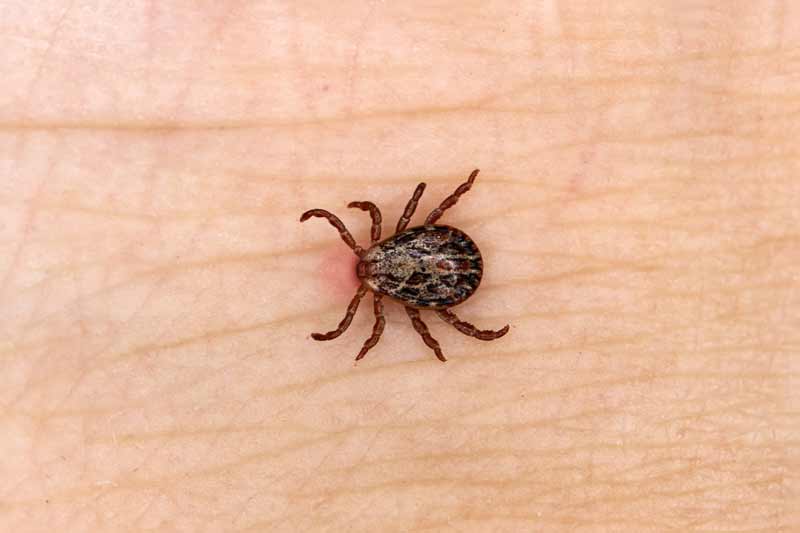
Given that the length of time a tick is attached to the skin is an extremely important predictor of developing Lyme disease (the likelihood of Lyme disease increases significantly after 36-48 hours), immediate removal of the attached tick is recommended. This is best done with clean, fine-tipped tweezers (or similar device) inserted between the body of the tick and the skin.
It is not advisable to burn the attached tick (with a match or other thermal intervention) or to use harmful chemicals or petroleum products to detach it.
After removing the tick, it is recommended to carry out a study to identify its species. But at the same time, it is not advisable to test the removed tick for B. Burgdorferi, because the presence or absence of this microorganism is not a reliable sign of the presence of infection.
- Antibiotic prophylaxis
It is recommended to prescribe prophylactic antibiotic therapy for adults and children within 72 hours after removal of a high-risk tick.
The patient is prescribed a single dose of doxycycline at a dose of 200 mg for adults or 4.4 mg/kg (up to 200 mg) for children.
A tick bite is considered high-risk if it meets the following three criteria: the removed tick belongs to the Ixodes species; the bite occurred in a highly endemic area; the tick was attached for ≥36 hours. If the tick bite is not high-risk, observation is recommended.
End of consultation
- Summarize the data and ask the patient if anything important has been missed
- Inform the patient about further tactics
Obtain the patient’s Informed Voluntary Consent for diagnosis and treatment (form No. 003-6/o), agree to the Patient’s Informed Voluntary Consent for processing personal data (Insertion sheet to the accounting form No. 003/o).
- Thank the patient
- Dispose of PPE properly and wash hands
Key communication skills
- Active listening
- Summing up
- Selection of indicative signs
Register on our website right now to have access to more learning materials!
Subscribe to our pages:
Lyme disease
Lyme disease is an infectious disease caused by the spirochete Borrelia burgdorferi, which is transmissible…

Drug Resistance in Pneumonia (DRIP) Score. Online Calculator
The purpose of the DRIP score is to determine when broad-spectrum antibiotics should be used…

CURB-65 Score for Pneumonia Severity
Estimates mortality of community-acquired pneumonia to help determine inpatient vs. outpatient treatment. The CURB-65 calculator…