
Three Research Directions Emerging from the ClinCaseQuest Simulation Study

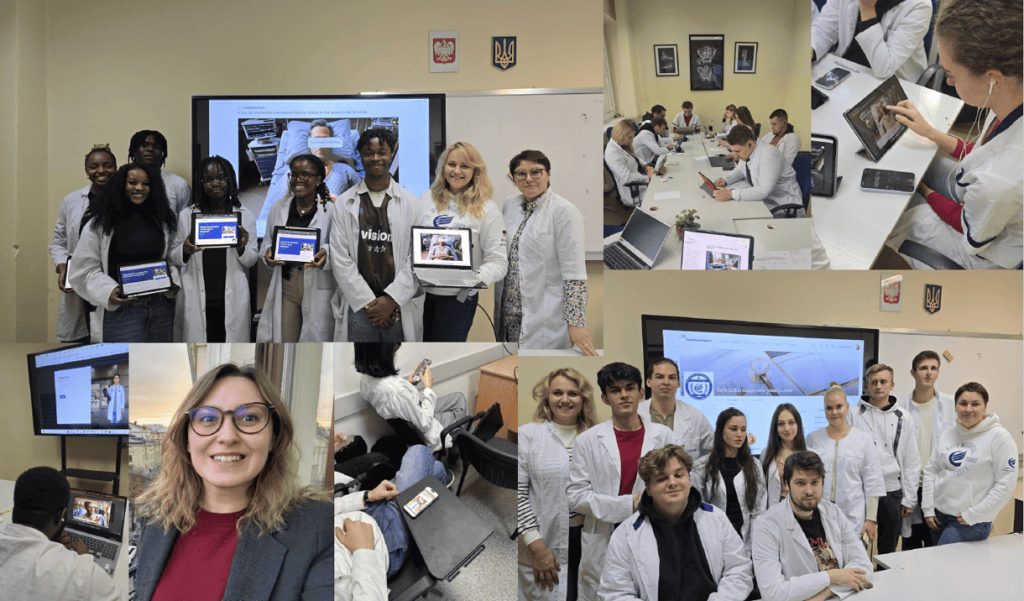
ClinCaseQuest research reveals three key directions shaping medical education: psychological safety, clinical reasoning analysis, and AI-driven simulation analytics.
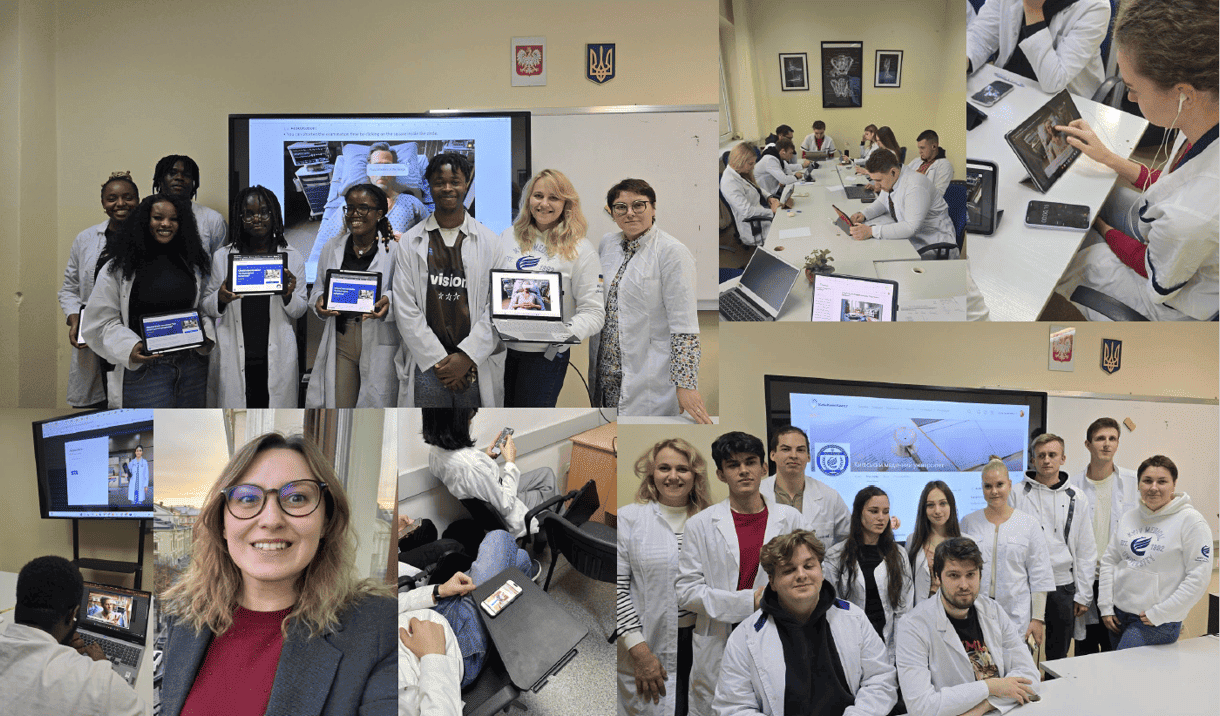
In Autumn 2025, a large multicenter and multicultural educational study was conducted using the ClinCaseQuest simulation-based learning platform.
The research involved medical students from multiple countries and was implemented through collaboration with Kyiv Medical University and Bukovinian State Medical University, bringing together educators, researchers, and simulation experts.
The first results of this work were presented at the 6th International Scientific and Practical Conference “Medical Simulation: A Look into the Future” held by Bukovinian State Medical University.
The project unexpectedly revealed three major scientific and technological directions emerging from the ClinCaseQuest simulation environment.
1. Psychological Safety in Simulation Training
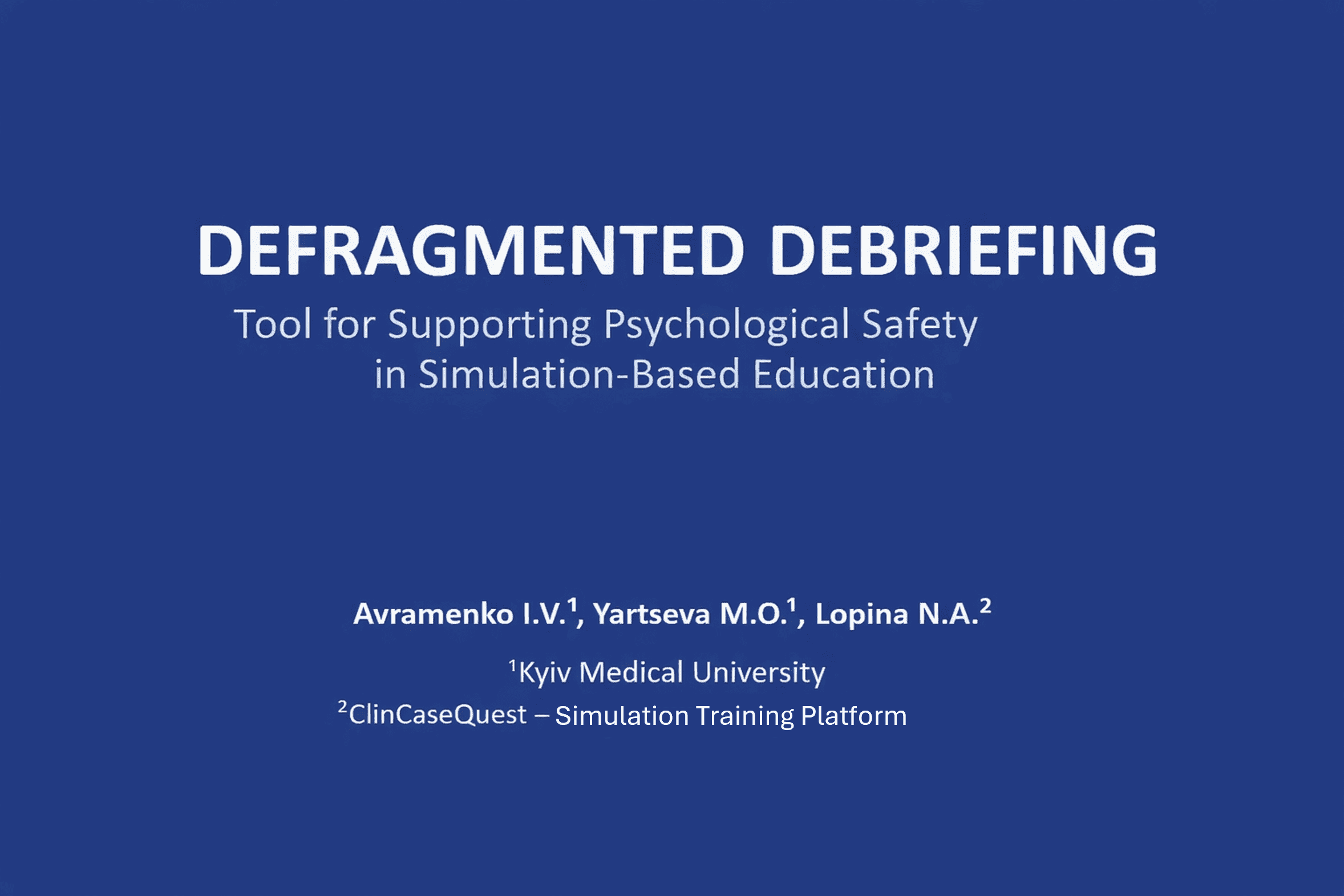
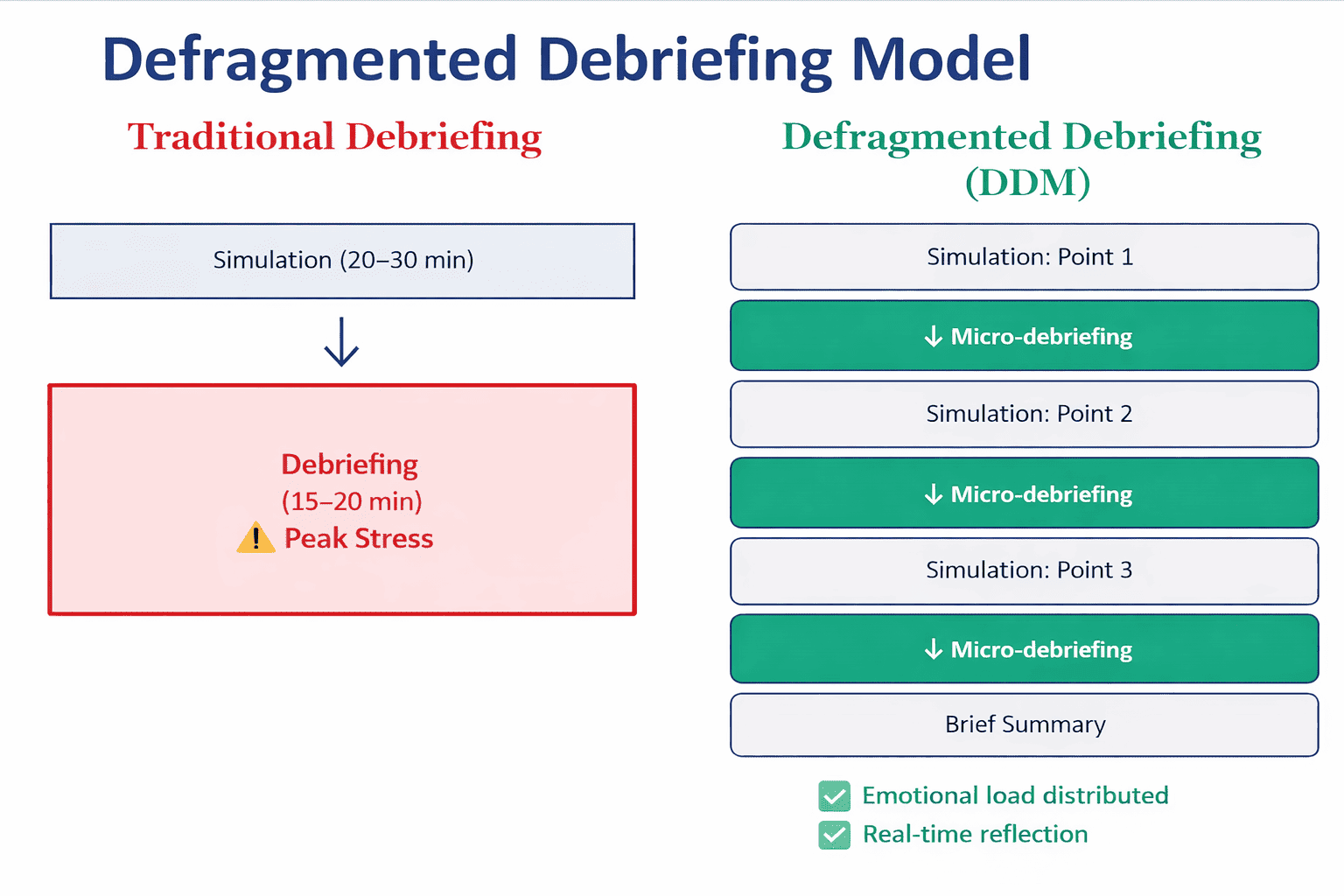
Research led by Iryna Avramenko and Mariia Yartseva demonstrated the psycho-emotional impact of simulations built on the Defragmented Debriefing Model (DDM).
The study showed:
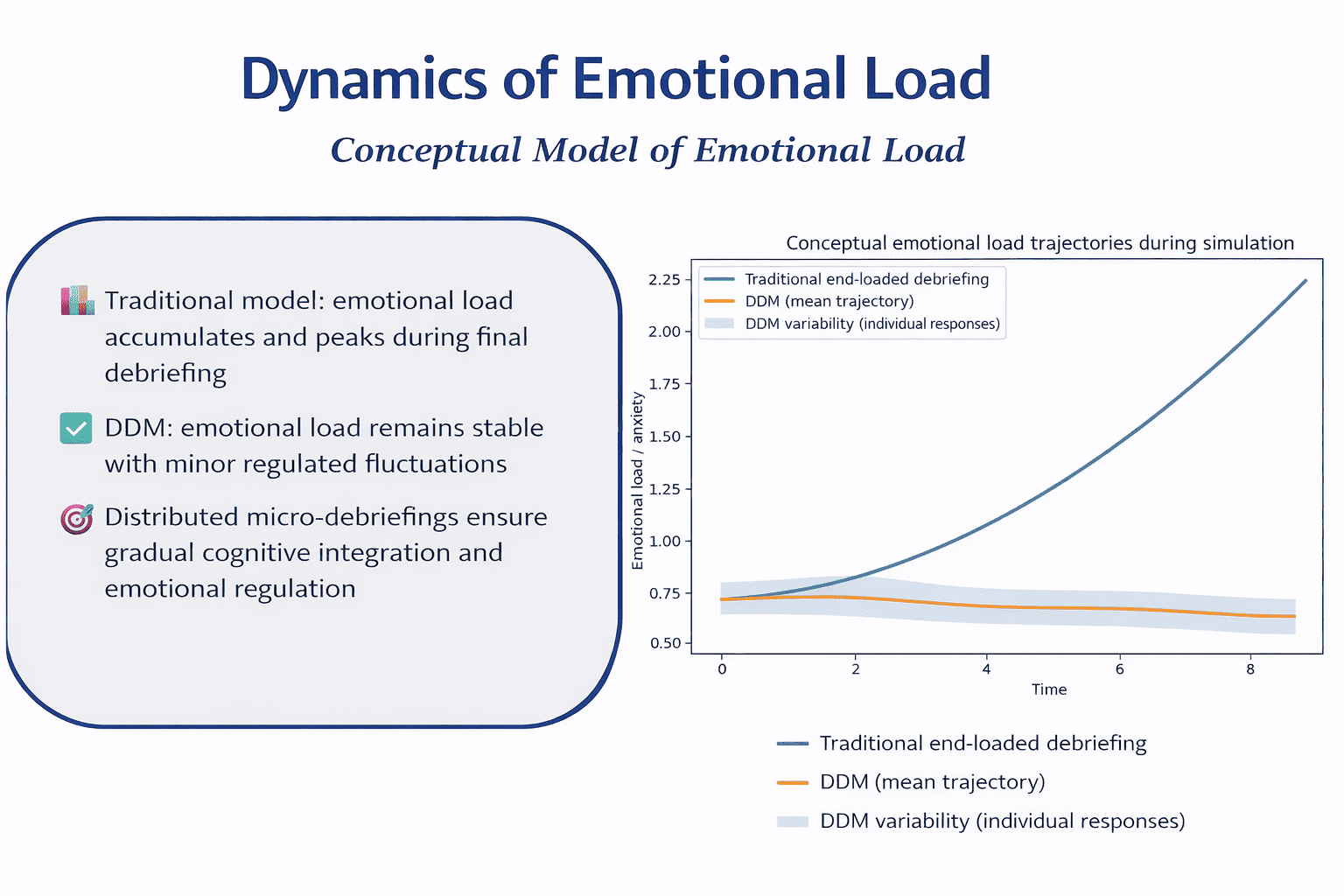
- 13.2% reduction in situational anxiety (p < 0.05)
- 45% of students experienced decreased anxiety after simulation training
- no clinically significant increase in anxiety
These findings support the concept that psychological safety in simulation can be an outcome of instructional design, not only a prerequisite for learning.
The Defragmented Debriefing Model, integrated into ClinCaseQuest simulations, distributes reflective micro-interventions throughout the scenario, allowing students to process decisions and errors gradually.
This approach stabilizes emotional responses while simultaneously supporting the development of clinical reasoning.
2. Attempt-Based Analysis of Clinical Reasoning
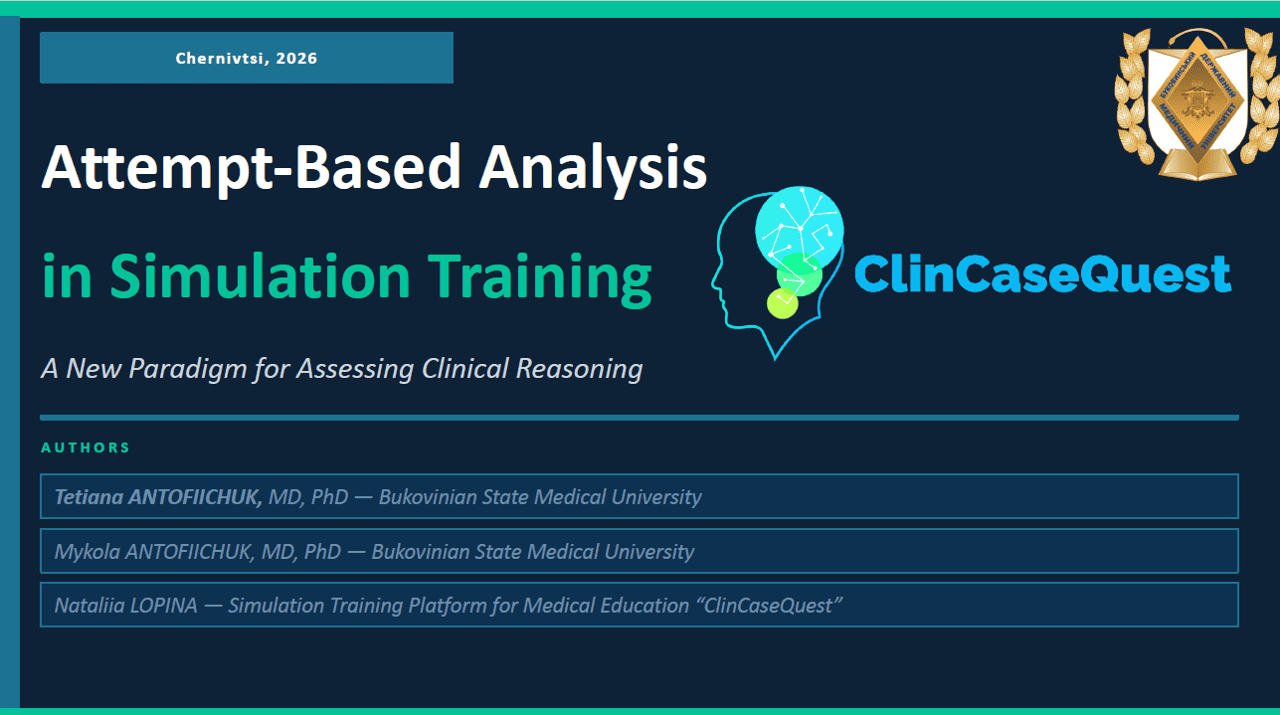
A second research direction was presented by Tetiana Antofiichuk, MD, PhD, focusing on Attempt-Based Analysis of simulation performance.
The study revealed an important insight:
Even when 100% of students reach the correct final diagnosis, their clinical reasoning pathways differ dramatically.
Using attempt-based analytics, researchers identified that:
• students required an average of 2.3 attempts per key clinical decision step
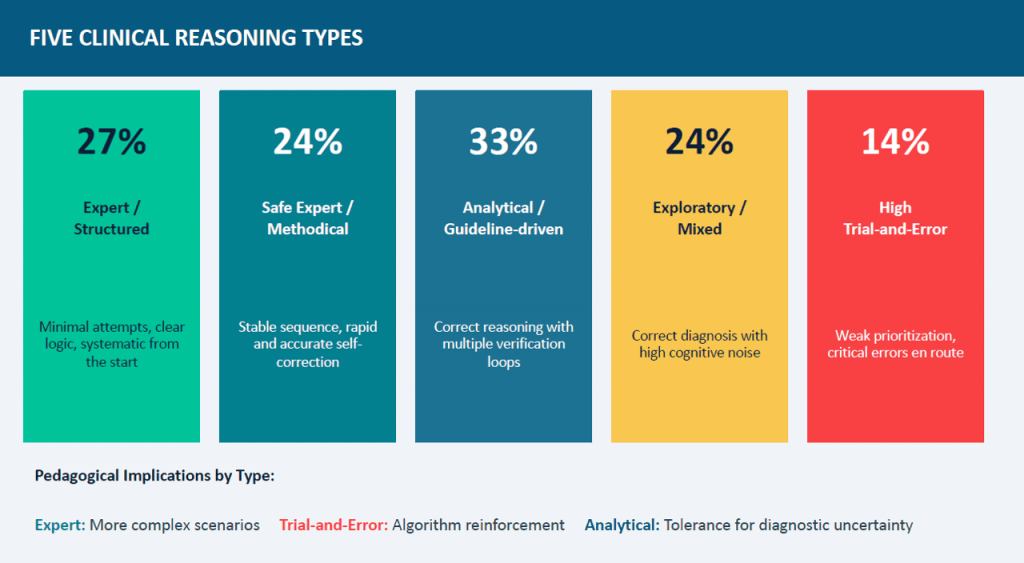
• multiple reasoning patterns emerged, from structured expert reasoning to trial-and-error approaches
• several systemic learning zones became visible, including errors in severity assessment, ACLS sequence decisions, and ECG interpretation.
This approach shifts the focus from “what decision was made” to “how the decision was reached.”
3. AI-Based Analytics of Branching Simulation Scenarios
The third direction emerged directly from the technical structure of ClinCaseQuest simulations.
Because the platform uses branching clinical scenarios, every learner interaction generates a detailed log of clinical reasoning steps.
This opened a new technological research pathway:
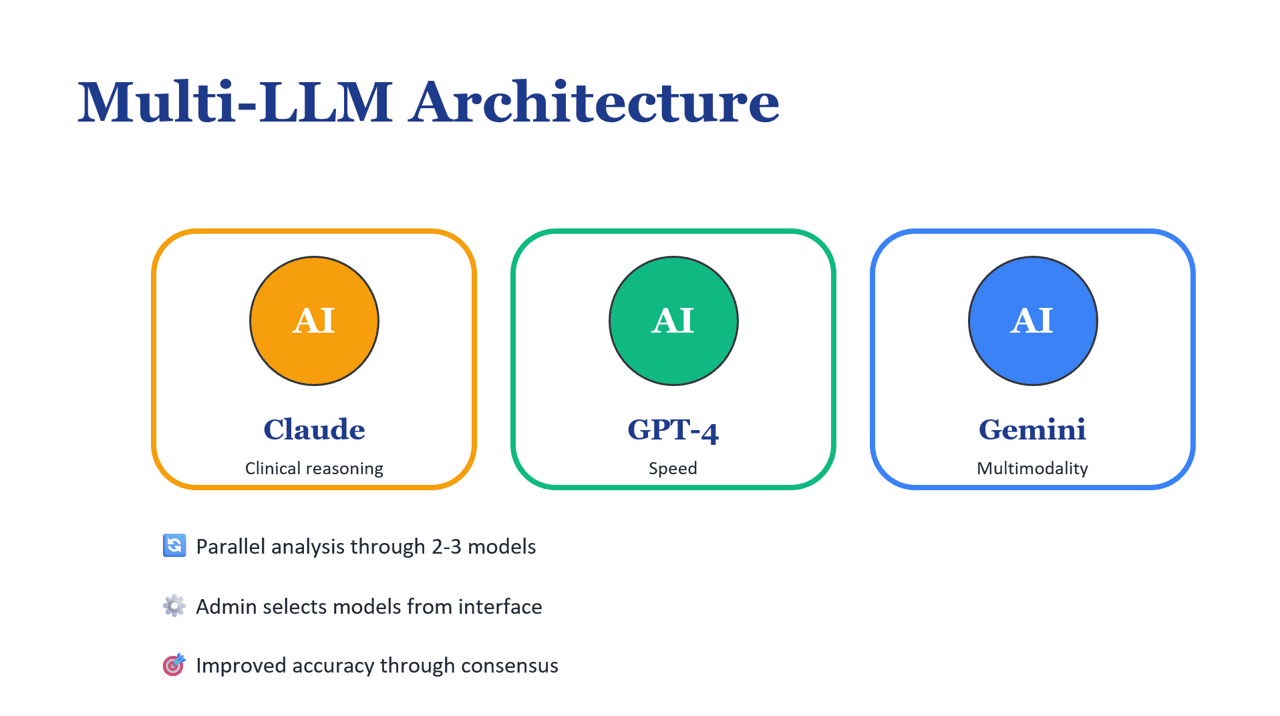
AI-based analysis of branching simulation logs.
Using artificial intelligence, large volumes of simulation performance data can be transformed into:
- structured analytics of clinical reasoning
- identification of decision patterns
- scalable assessment of learner performance across cohorts.
This direction forms the foundation for the future analytics module of the ClinCaseQuest platform, which aims to provide educators with deeper insights into clinical decision-making processes during simulation training.
Looking Forward
What began as an educational experiment has evolved into a multidimensional research program combining:
- simulation pedagogy
- psychological safety research
- clinical reasoning analytics
- artificial intelligence.
Together, these directions are shaping the future of data-informed simulation-based medical education.
ClinCaseQuest is grateful to all researchers, educators, and students who participated in this study and contributed to advancing new approaches to training clinical reasoning and improving healthcare safety.
Register on our website right now to have access to more learning materials!
Subscribe to our pages:
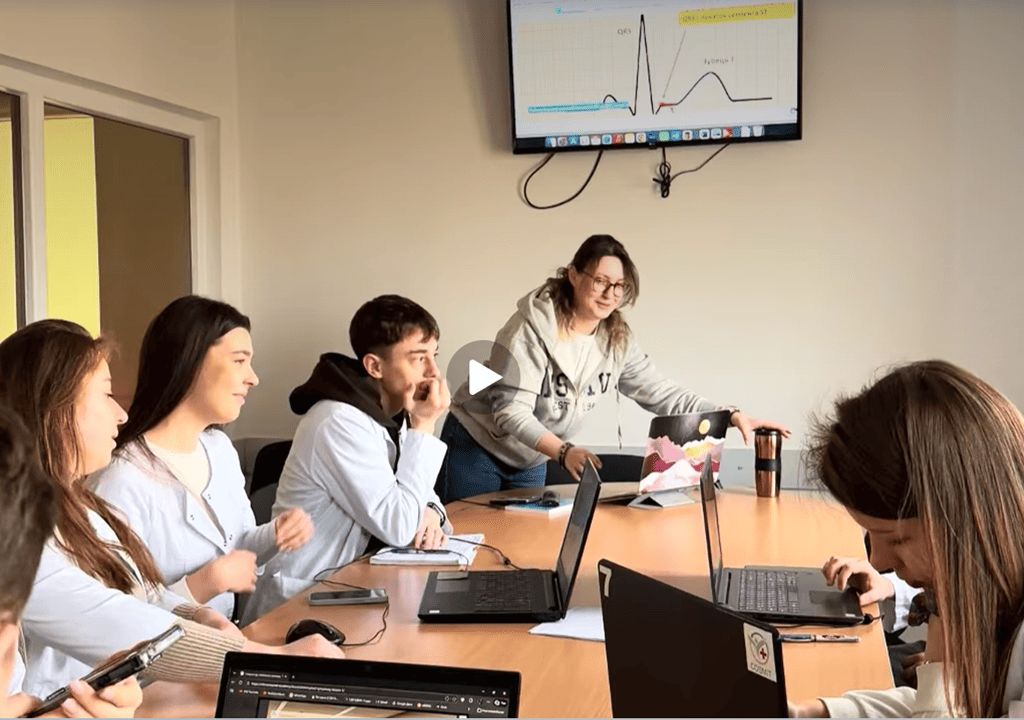
Simulation-Based Medical Education: BSMU Students in ClinCaseQuest Simulations (Video)
Simulation-based medical education is a key component of modern medical training. This video demonstrates how…
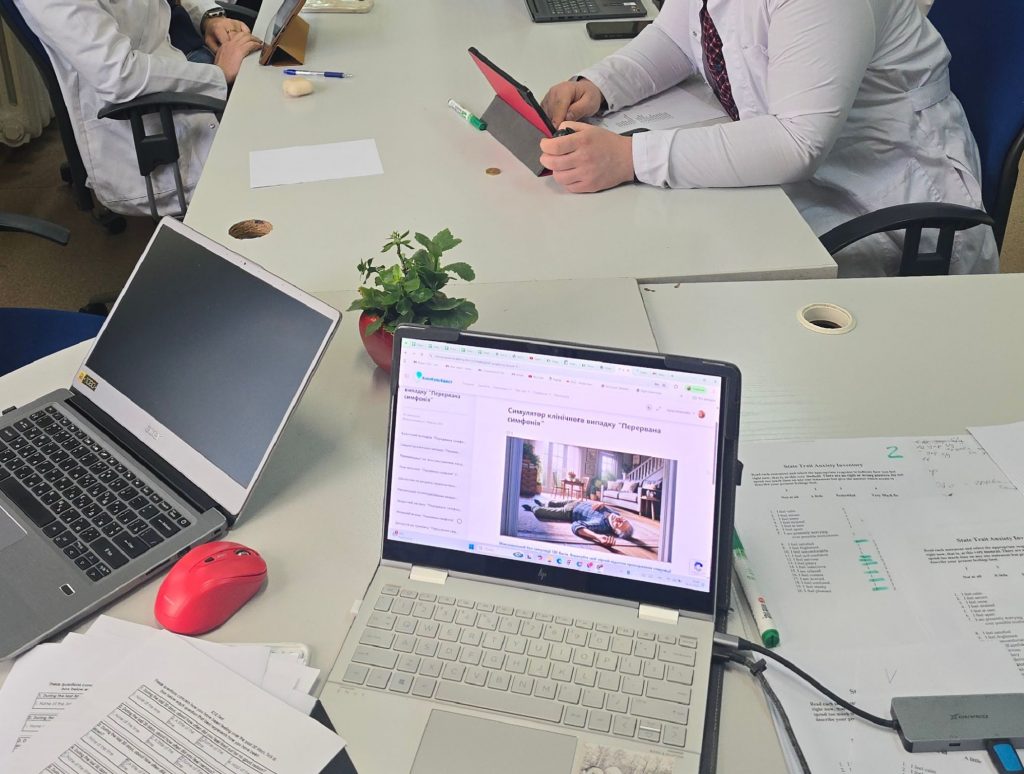
Defragmented Debriefing Model as a Tool for Psychological Safety in Simulation Training
At the 6th International Scientific and Practical Conference “Medical Simulation: A Look into the Future”,…
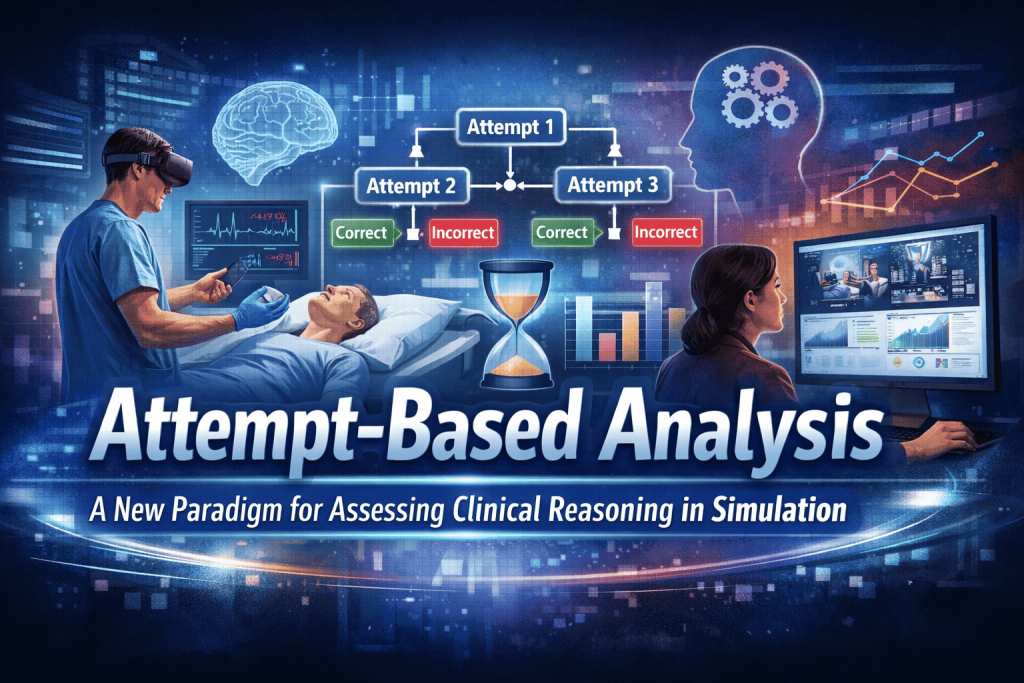
Attempt-Based Analysis: A New Paradigm for Assessing Clinical Reasoning in Simulation
ClinCaseQuest is proud to highlight the presentation of Tetiana Antofiichuk, MD, PhD, at the international…
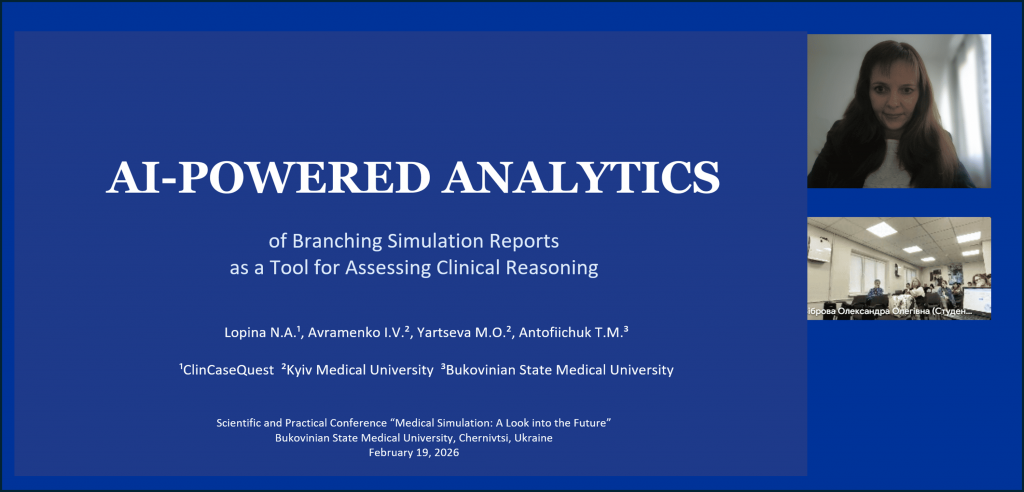
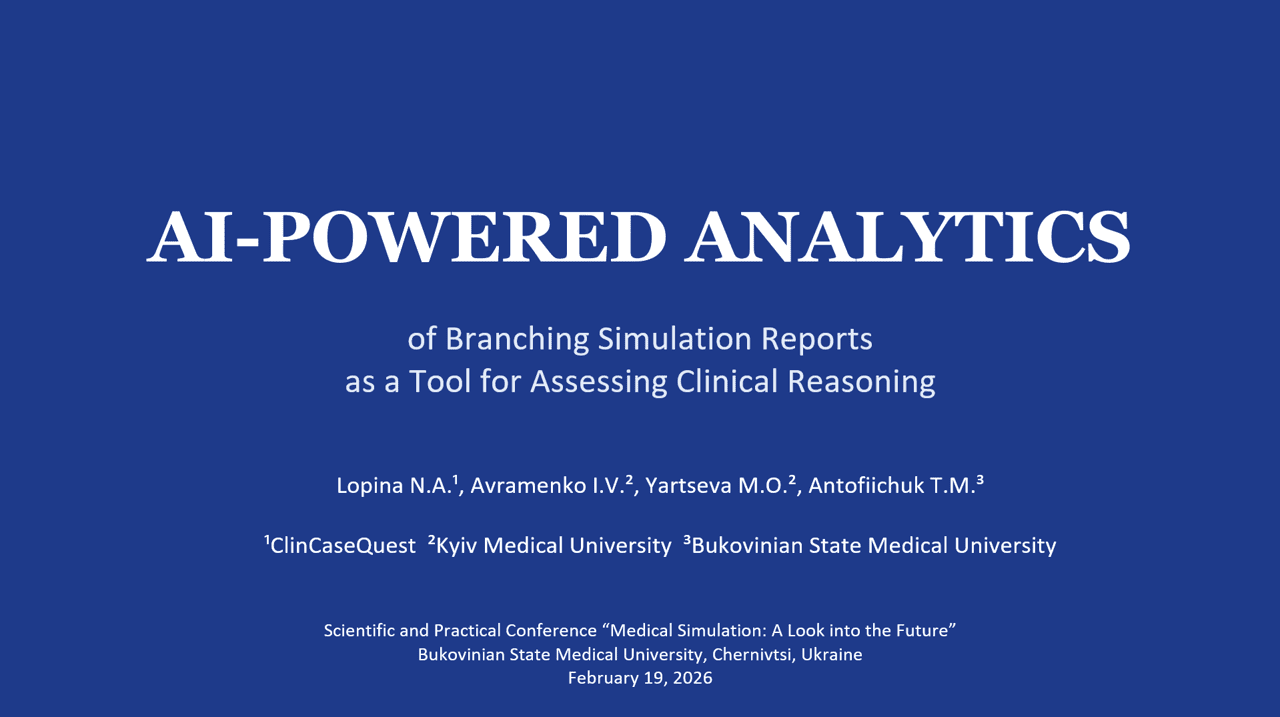
ClinCaseQuest presented the first experience of analyzing branching simulation logs based on artificial intelligence at the “Medical Simulation: A Look into the Future” Conference
ClinCaseQuest is pleased to share our participation in the scientific and practical conference “Medical Simulation:…

AI-Driven Patient Simulator – Quick Feedback
🗣️ We Value Your Feedback Thank you for your interest in the AI-Driven Patient Simulator!…
Get Early Access AI-Driven Patient Simulator
Try the AI-Driven Patient Simulator and explore the future of medical education 🧠 Try the…