
Defragmented Debriefing Model as a Tool for Psychological Safety in Simulation Training

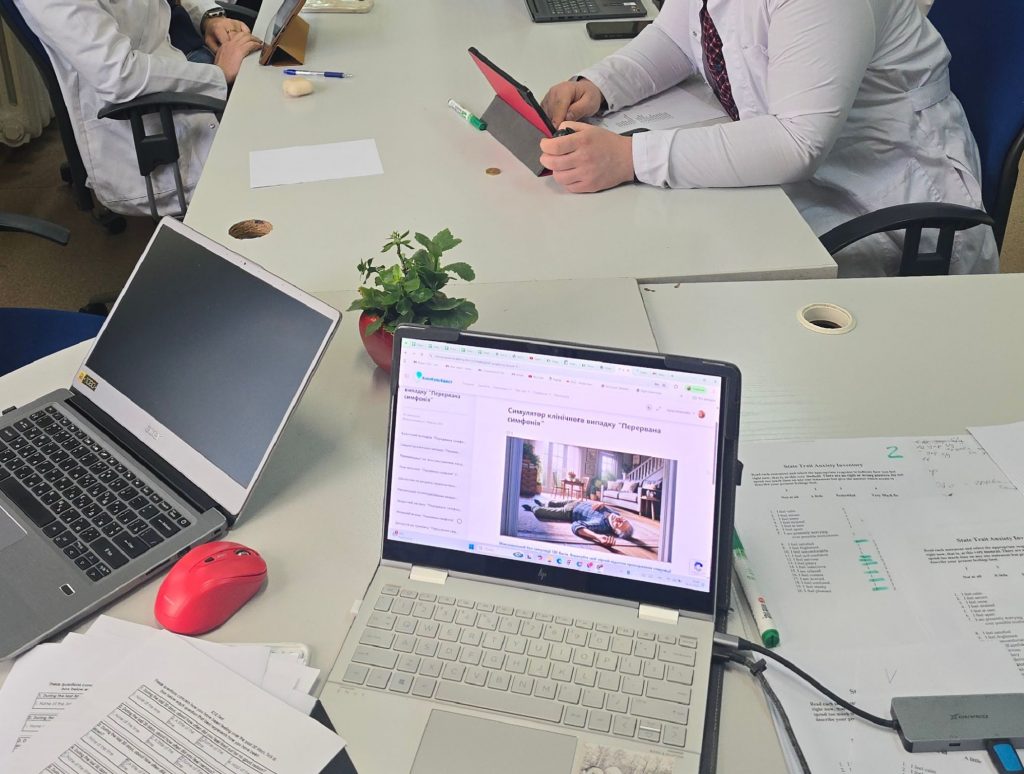
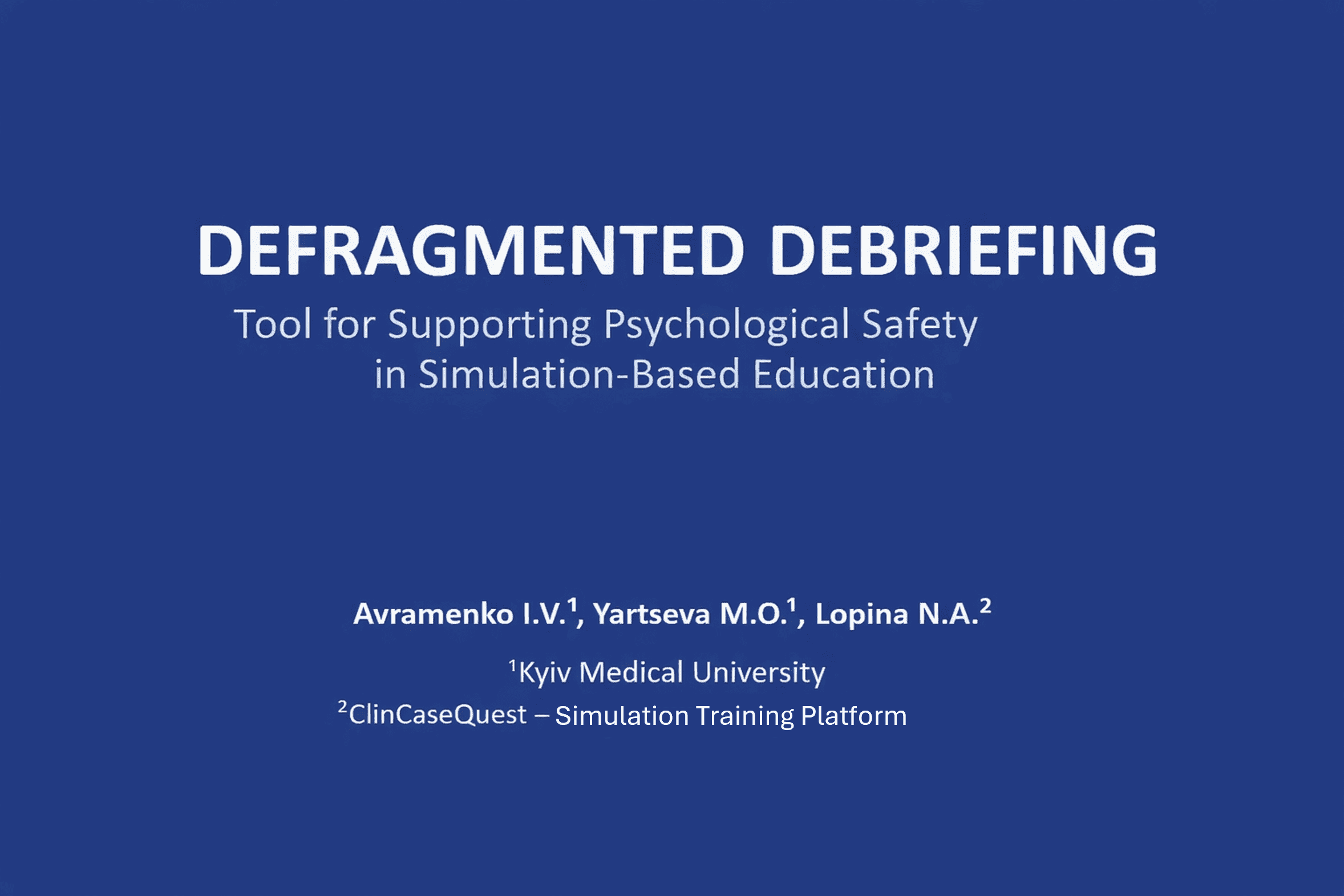
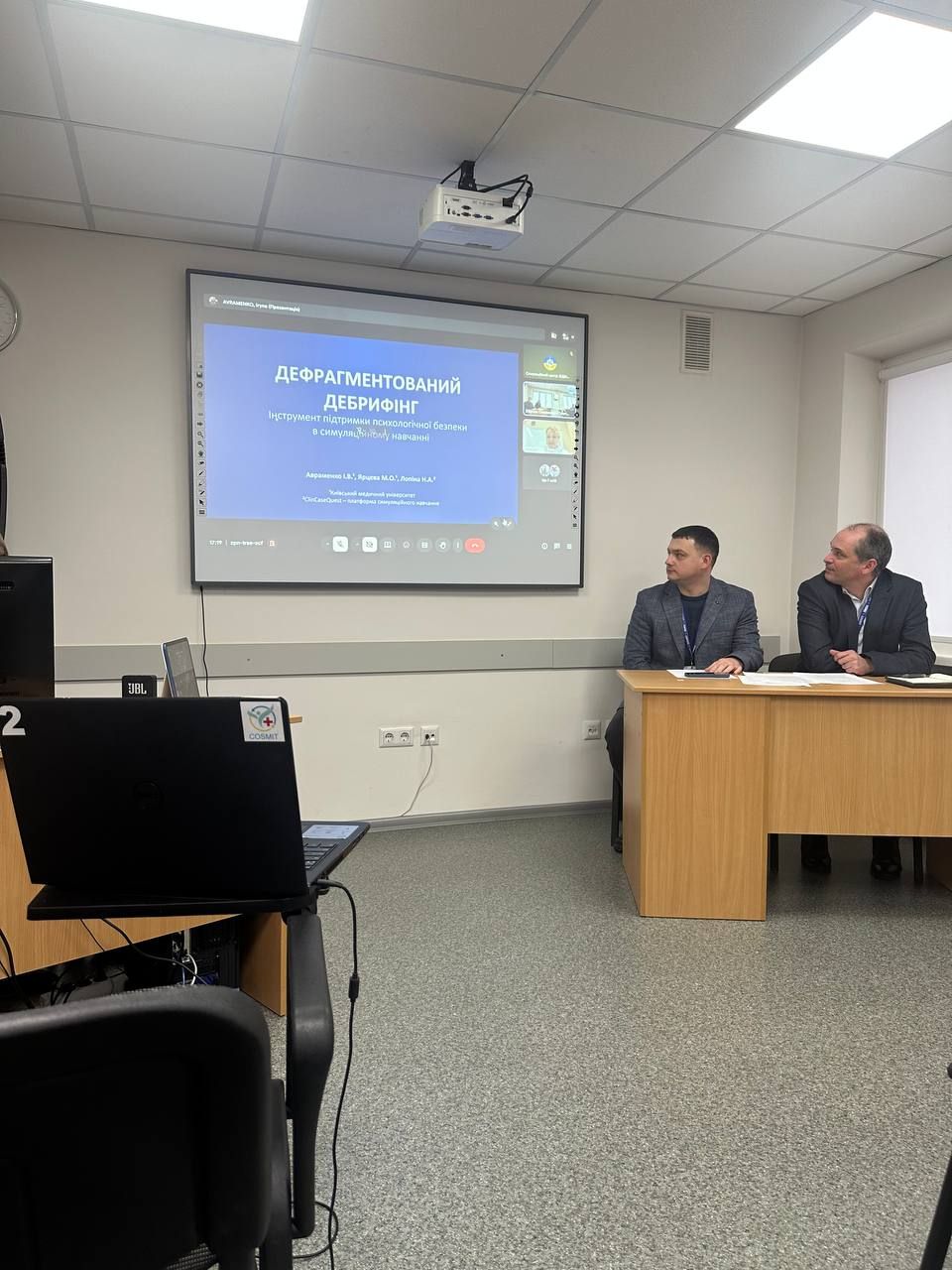
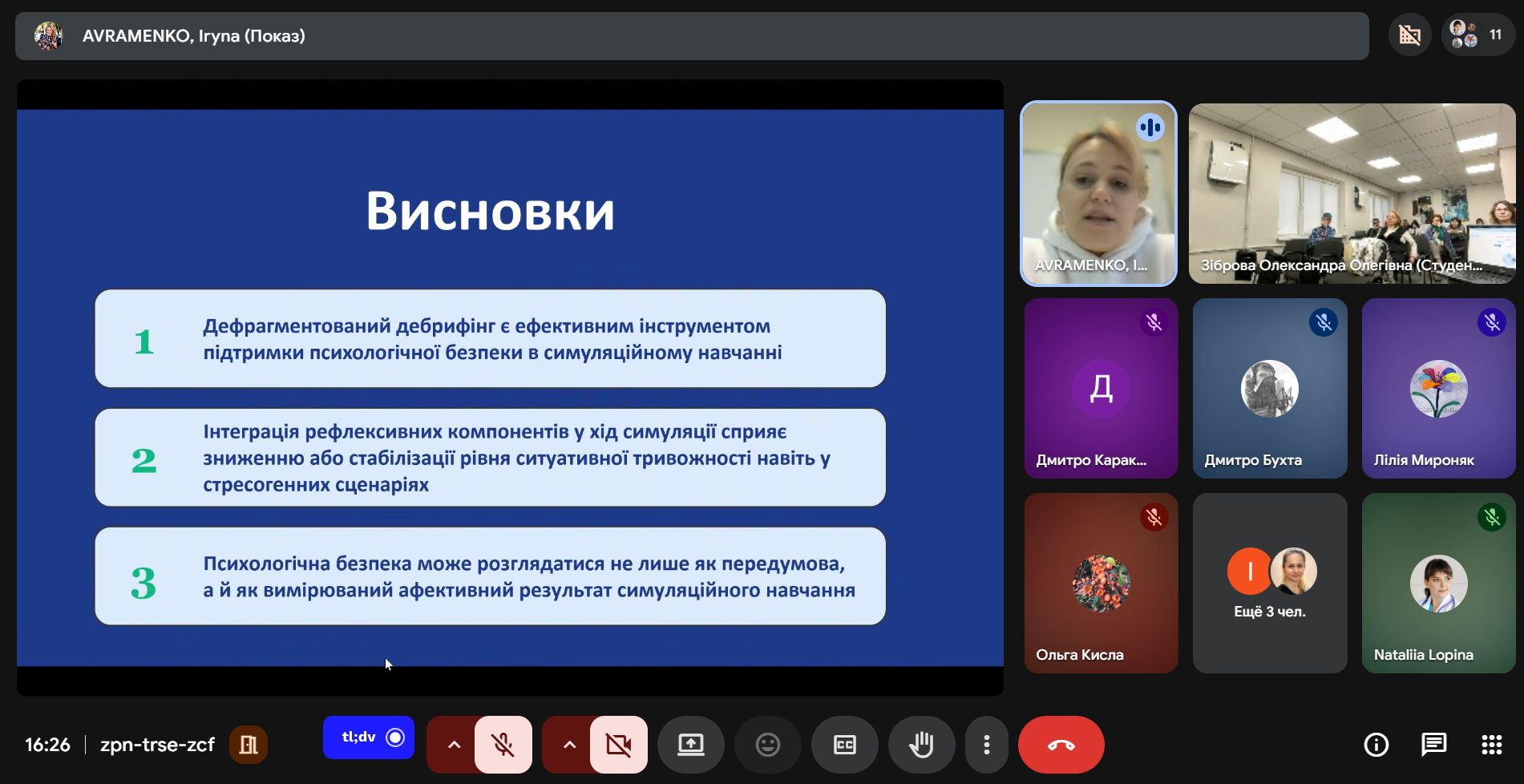
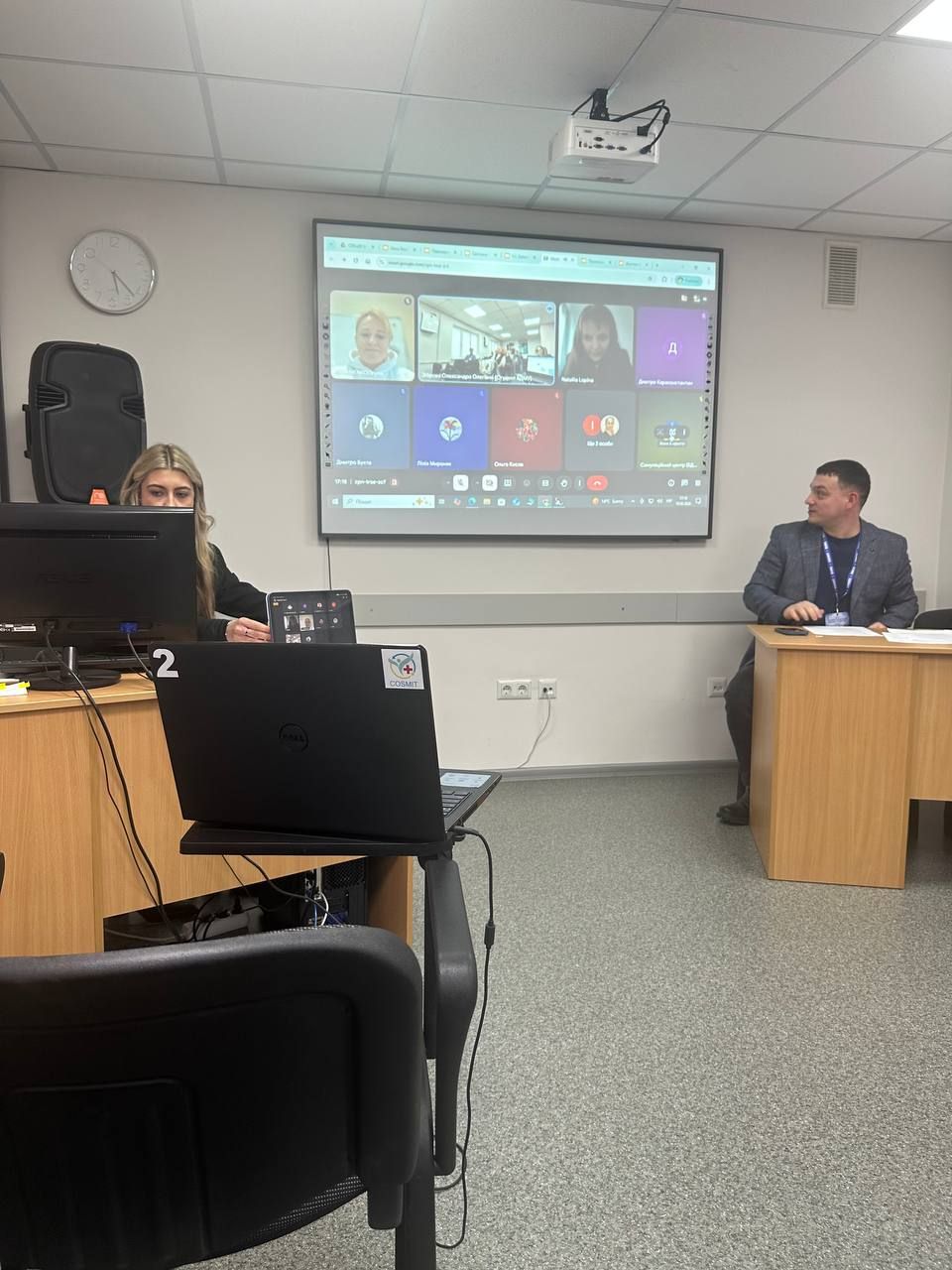
At the 6th International Scientific and Practical Conference “Medical Simulation: A Look into the Future”, held at Bukovinian State Medical University, Associate Professor Iryna Avramenko, MD, PhD presented research on the role of Defragmented Debriefing in supporting psychological safety in simulation-based education.
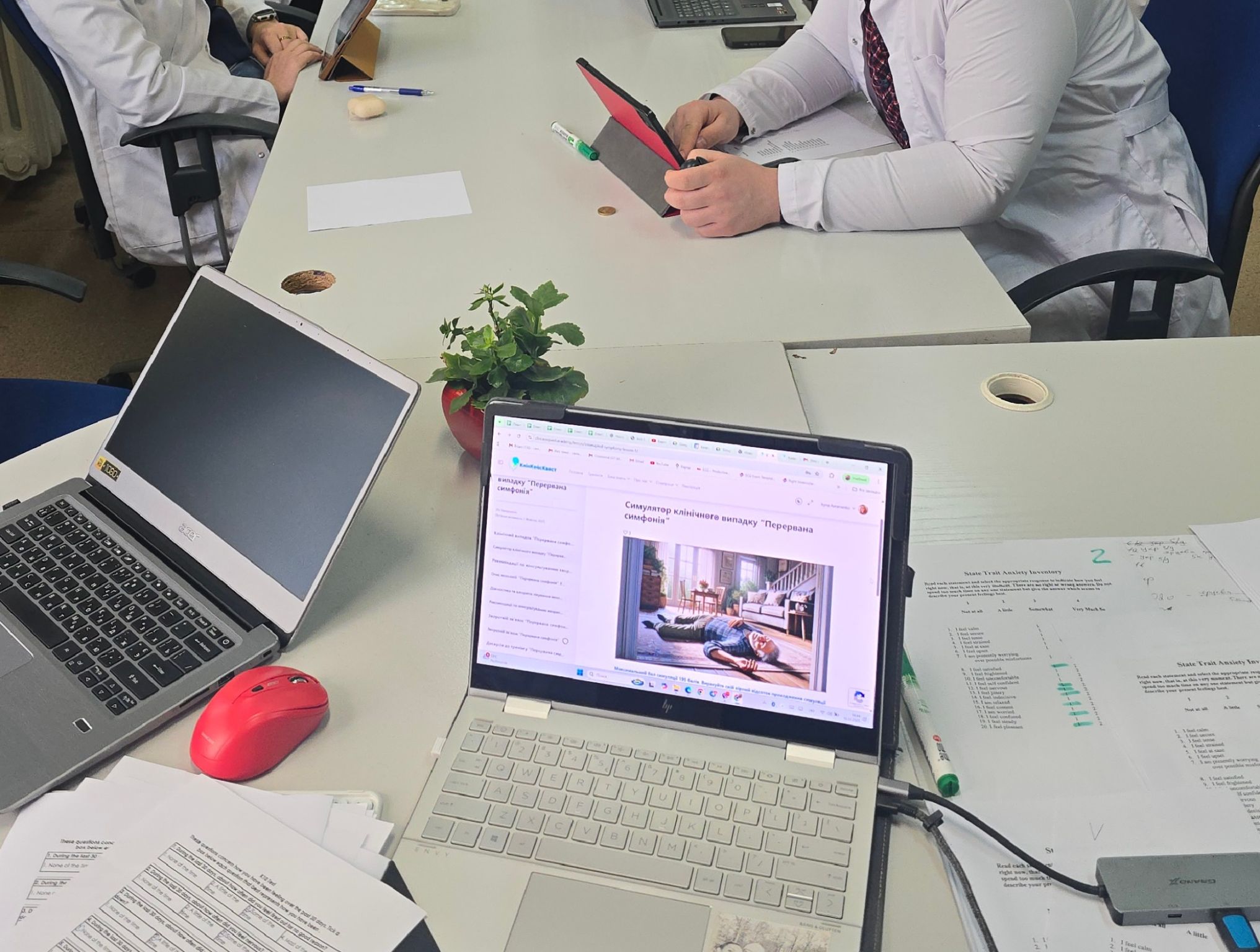
The study was conducted by researchers from Kyiv Medical University (Polish Campus) in collaboration with ClinCaseQuest, the simulation-based learning platform used as the technological environment for the educational experiment.
The presentation explored how the Defragmented Debriefing Model (DDM) — an instructional architecture integrated into ClinCaseQuest simulations — supports reflective learning and emotional regulation during simulation training.
Rethinking Debriefing in Simulation Training
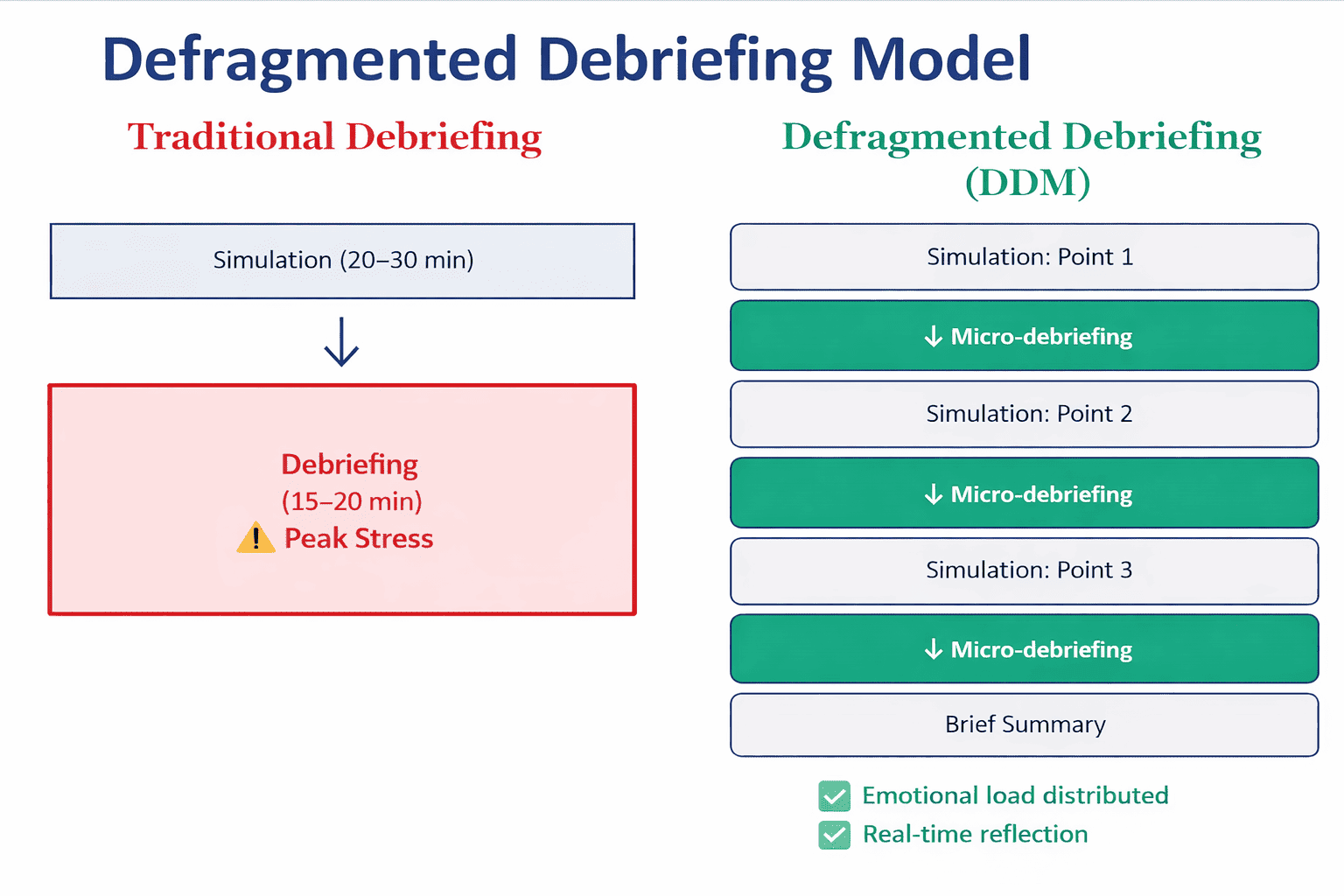
In traditional simulation-based education, reflection typically occurs only after the scenario has ended, during a final debriefing session. While effective for discussion and feedback, this structure may allow emotional tension and cognitive load to accumulate throughout the scenario.
The Defragmented Debriefing Model proposes a different approach.
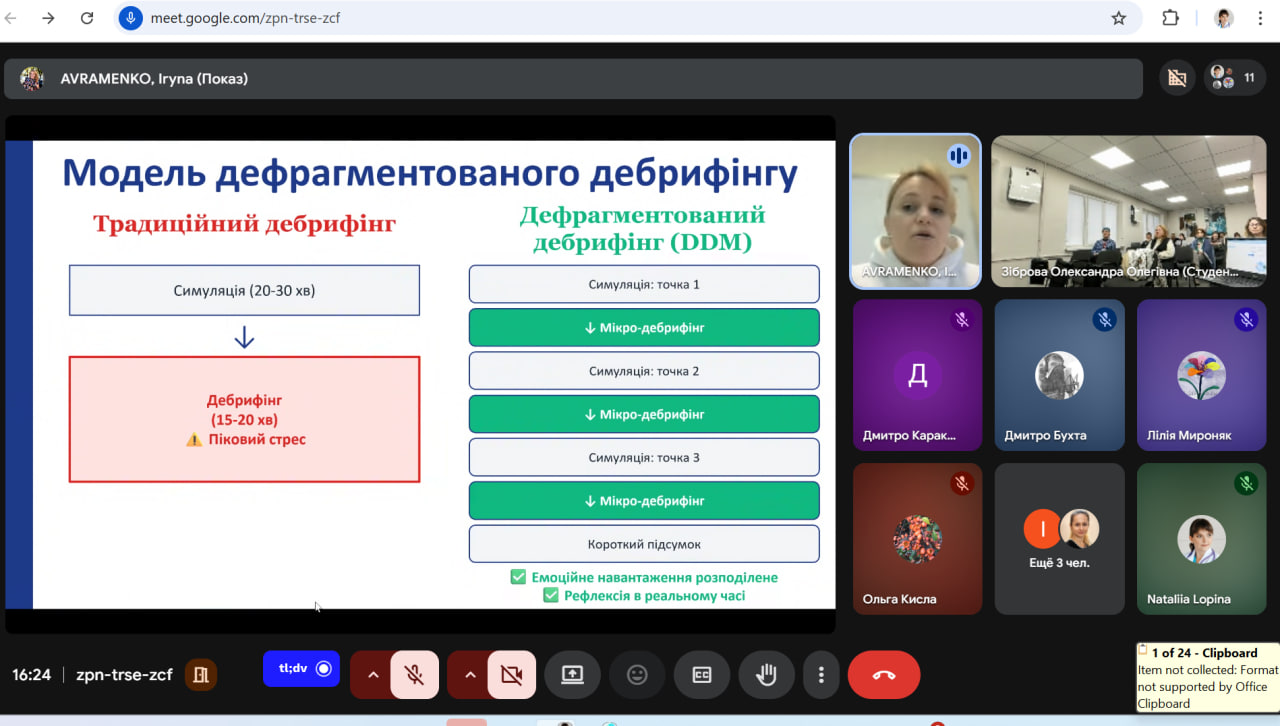
Instead of concentrating reflection at the end of a simulation, brief reflective interventions are distributed throughout the scenario itself. These micro-debriefing components provide learners with:
- short explanations
- supportive feedback on decisions
- guiding questions during challenging moments
- contextual cognitive support integrated directly into the simulation flow.
Ukrainian_DDM_Conference_Presen…
This design allows reflection to occur in real time, enabling students to process mistakes and decisions gradually rather than retrospectively.
Research Design
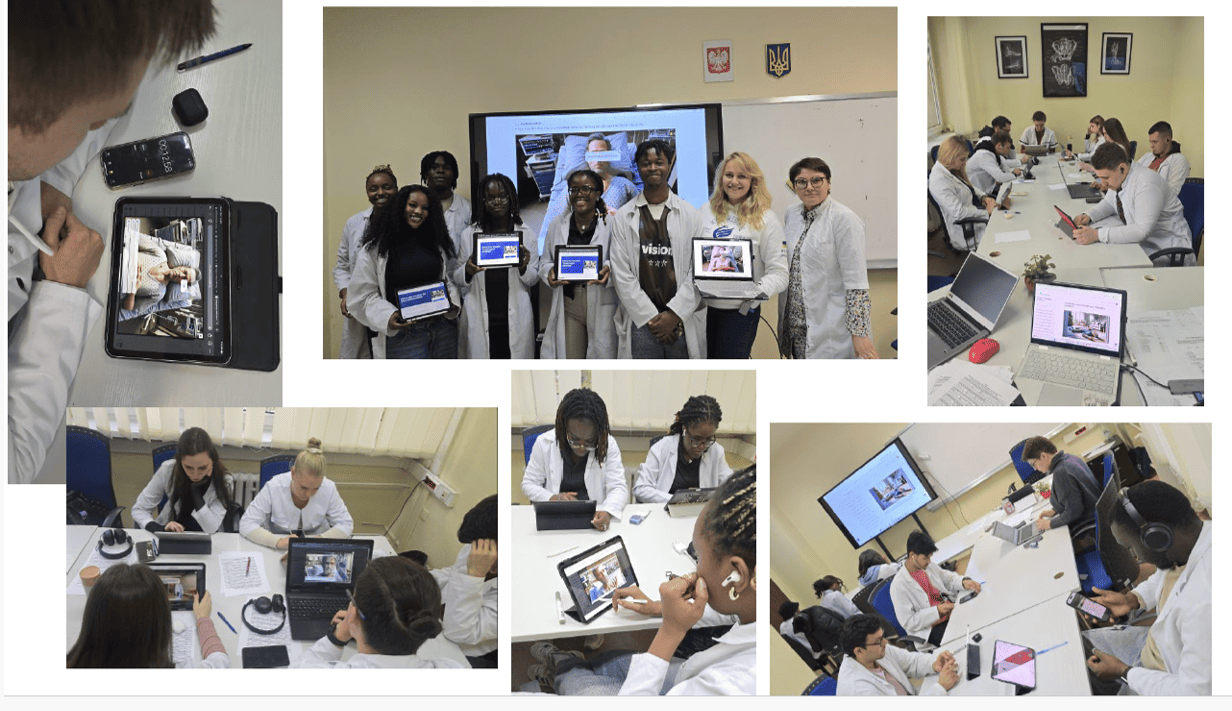
The study used a prospective single-center design involving 31 senior medical students from 12 countries, studying at the Kyiv Medical University Polish Campus.
Participants completed simulation scenarios on the ClinCaseQuest platform, where branching clinical cases integrate two core models:
- a mathematical model for stratifying the severity of medical errors
- the Defragmented Debriefing Model, embedding micro-reflection components into the scenario flow.
To assess the psychological impact of simulation training, researchers applied two validated psychometric instruments:
- Kessler Psychological Distress Scale (K10) — measuring psychological distress
- State Anxiety Inventory (STAI-S) — assessing situational anxiety levels before and after simulation training.
Ukrainian_DDM_Conference_Presen…
Statistical analysis included paired t-tests and correlation analysis with a significance threshold of p < 0.05.
Key Findings
The results demonstrated a measurable psycho-emotional effect of simulation training built on the Defragmented Debriefing Model.
The study revealed:
- 13.2% reduction in situational anxiety (p < 0.05)
- 45% of participants experienced decreased anxiety after simulation training
- no cases of clinically significant anxiety increase were observed.
Ukrainian_DDM_Conference_Presen…
Importantly, students with initially elevated psychological distress showed stabilization of anxiety levels rather than escalation, suggesting that the simulation environment maintained emotional balance even in complex clinical scenarios.
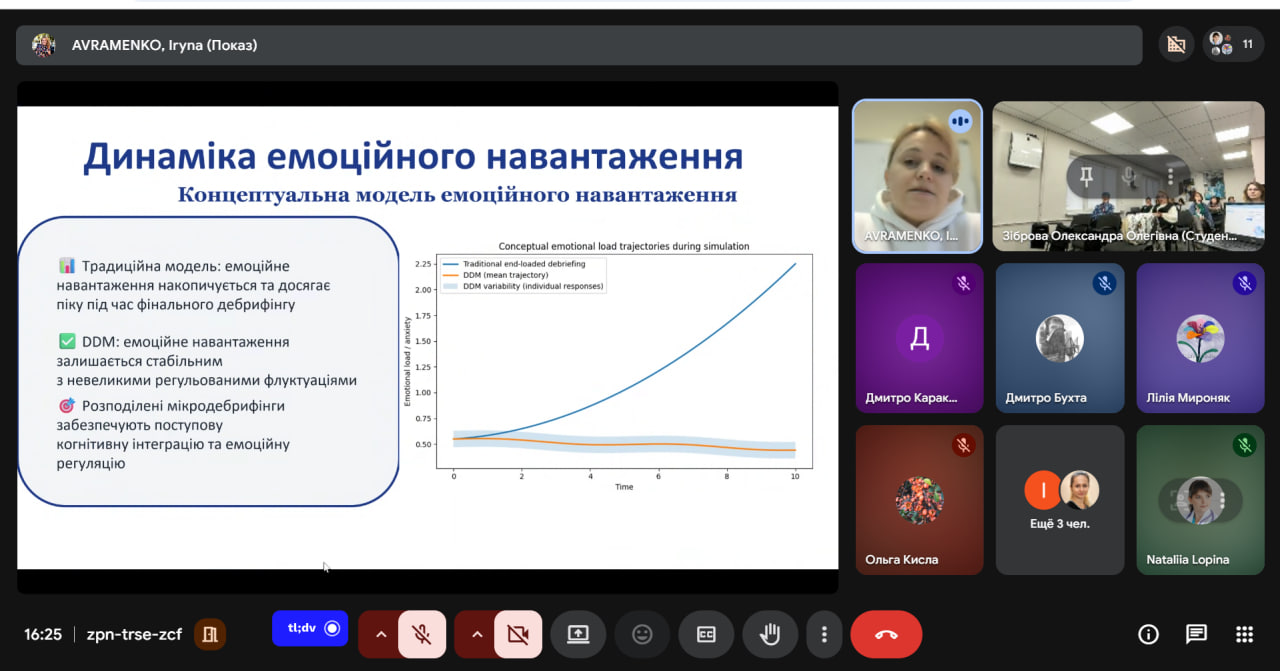
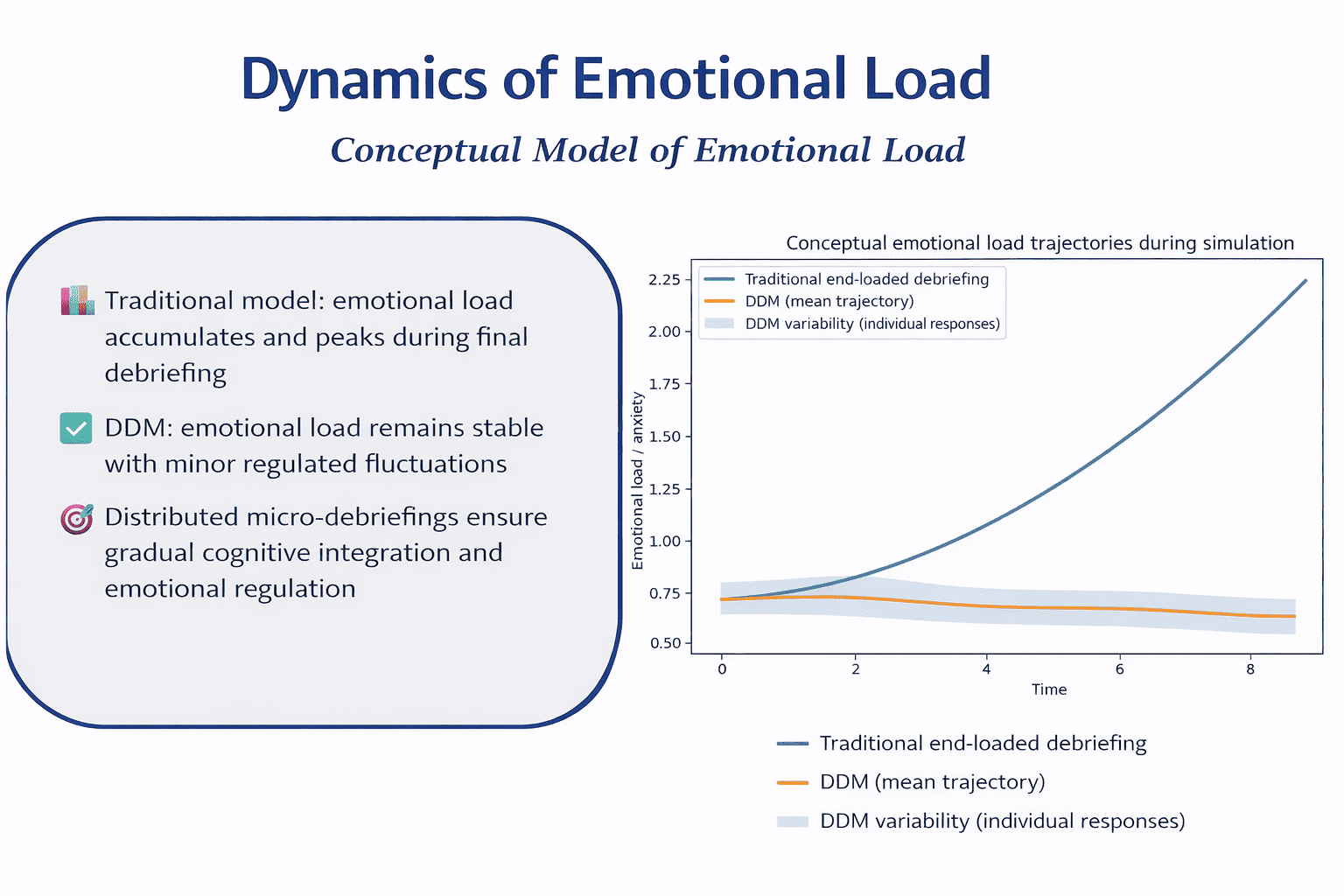
According to the conceptual model presented in the study, distributed micro-debriefing prevents the accumulation of emotional stress peaks by allowing learners to integrate feedback gradually during the simulation process.
From Educational Concept to Simulation Architecture
The Defragmented Debriefing Model represents a transition from facilitation-dependent educational practices toward design-level implementation of reflective learning within digital simulation environments.
In ClinCaseQuest simulations, reflective components are embedded directly in decision points of branching scenarios, enabling:
- continuous cognitive processing
- incremental integration of feedback
- emotional regulation during training
- sustained psychological safety for learners.
Implications for Medical Education
The findings suggest that psychological safety in simulation-based education can be viewed not only as a prerequisite for learning but also as a measurable outcome of instructional design.
The Defragmented Debriefing Model demonstrates that structured reflective support embedded within simulation architecture can:
- reduce cognitive overload
- stabilize emotional responses during complex scenarios
- enhance the development of clinical reasoning
- create a safer learning environment for medical students.
ClinCaseQuest is grateful to Kyiv Medical University (Polish Campus) and the research team — Iryna Avramenko and Mariia Yartseva — for their important contribution to advancing research on psychological safety in simulation-based medical education.
Register on our website right now to have access to more learning materials!
Subscribe to our pages:
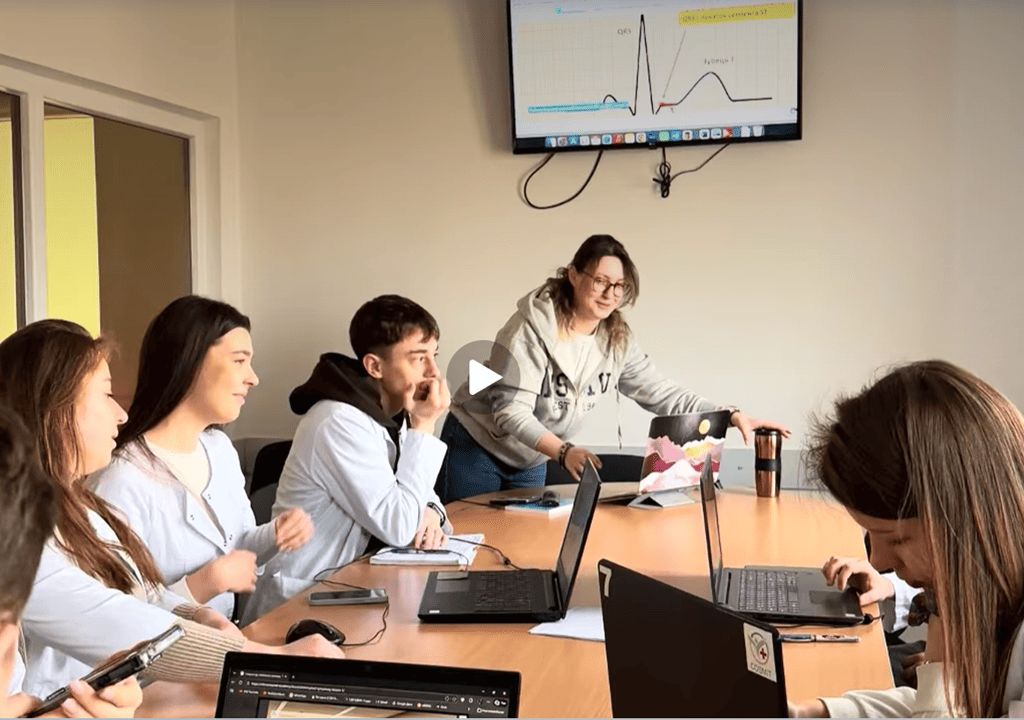
Simulation-Based Medical Education: BSMU Students in ClinCaseQuest Simulations (Video)
Simulation-based medical education is a key component of modern medical training. This video demonstrates how…
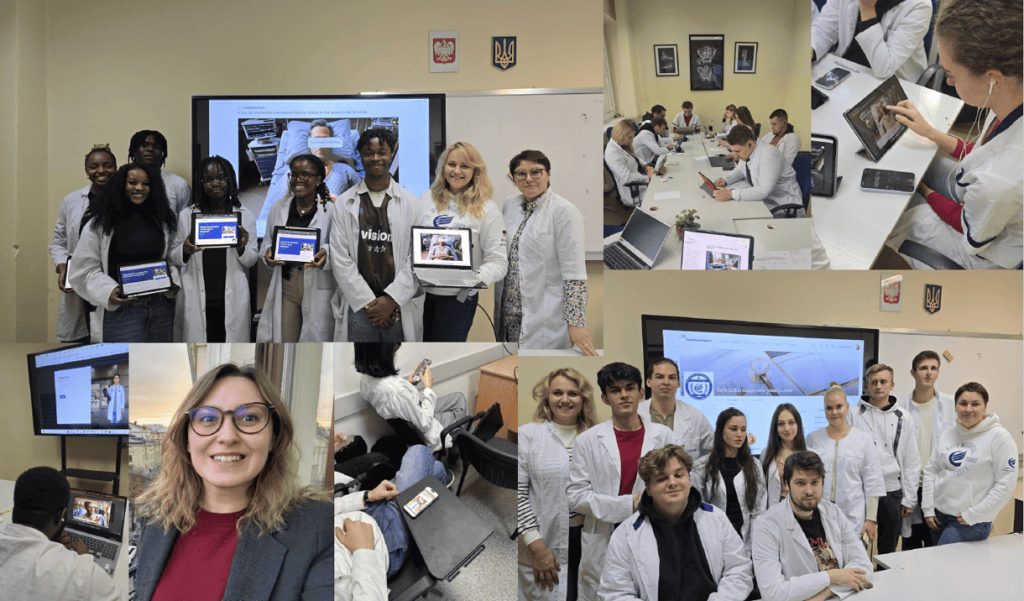
Three Research Directions Emerging from the ClinCaseQuest Simulation Study
ClinCaseQuest research reveals three key directions shaping medical education: psychological safety, clinical reasoning analysis, and…
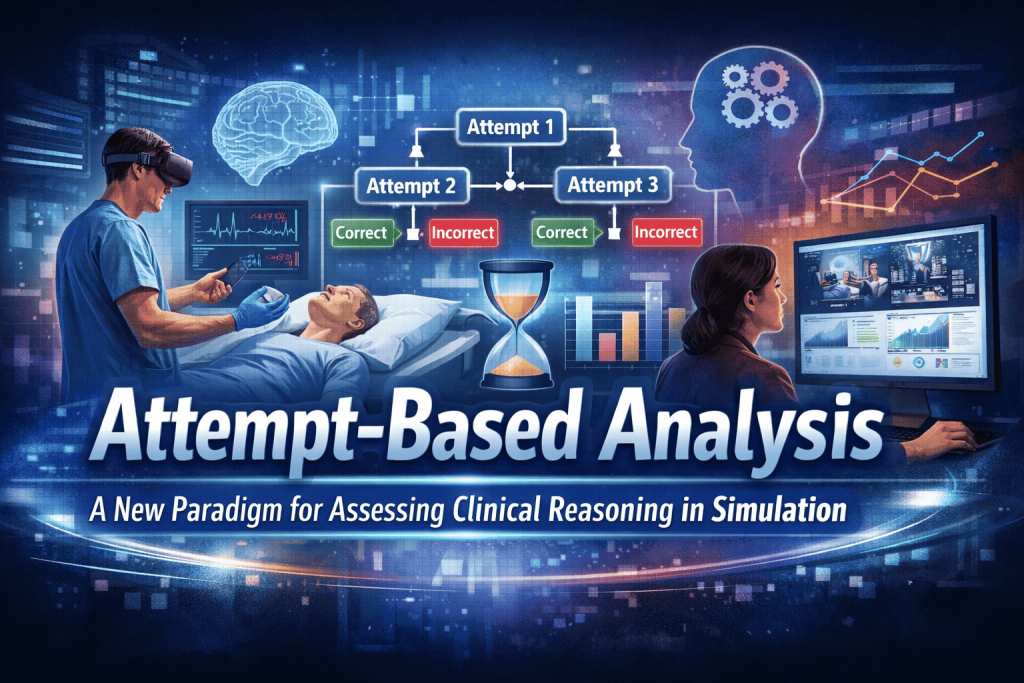
Attempt-Based Analysis: A New Paradigm for Assessing Clinical Reasoning in Simulation
ClinCaseQuest is proud to highlight the presentation of Tetiana Antofiichuk, MD, PhD, at the international…
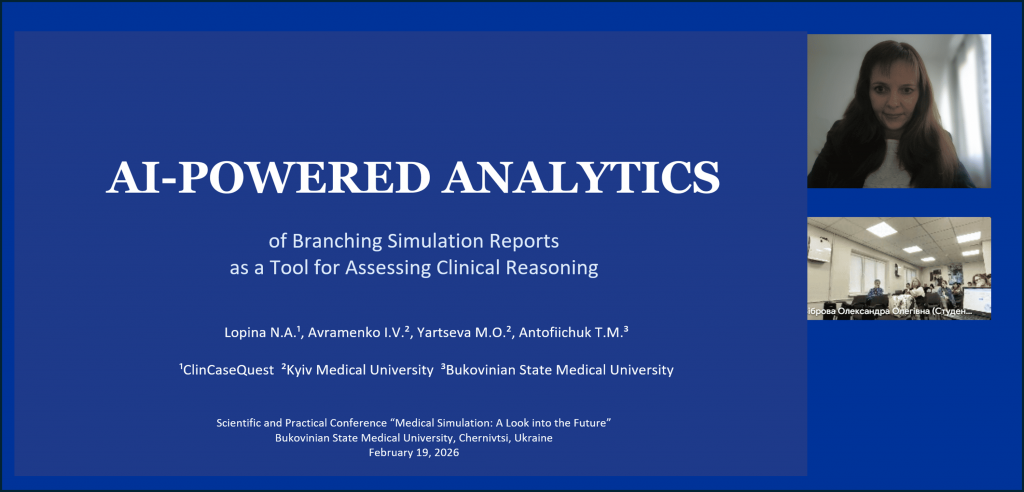
ClinCaseQuest presented the first experience of analyzing branching simulation logs based on artificial intelligence at the “Medical Simulation: A Look into the Future” Conference
ClinCaseQuest is pleased to share our participation in the scientific and practical conference “Medical Simulation:…

AI-Driven Patient Simulator – Quick Feedback
🗣️ We Value Your Feedback Thank you for your interest in the AI-Driven Patient Simulator!…
Get Early Access AI-Driven Patient Simulator
Try the AI-Driven Patient Simulator and explore the future of medical education 🧠 Try the…




Responses