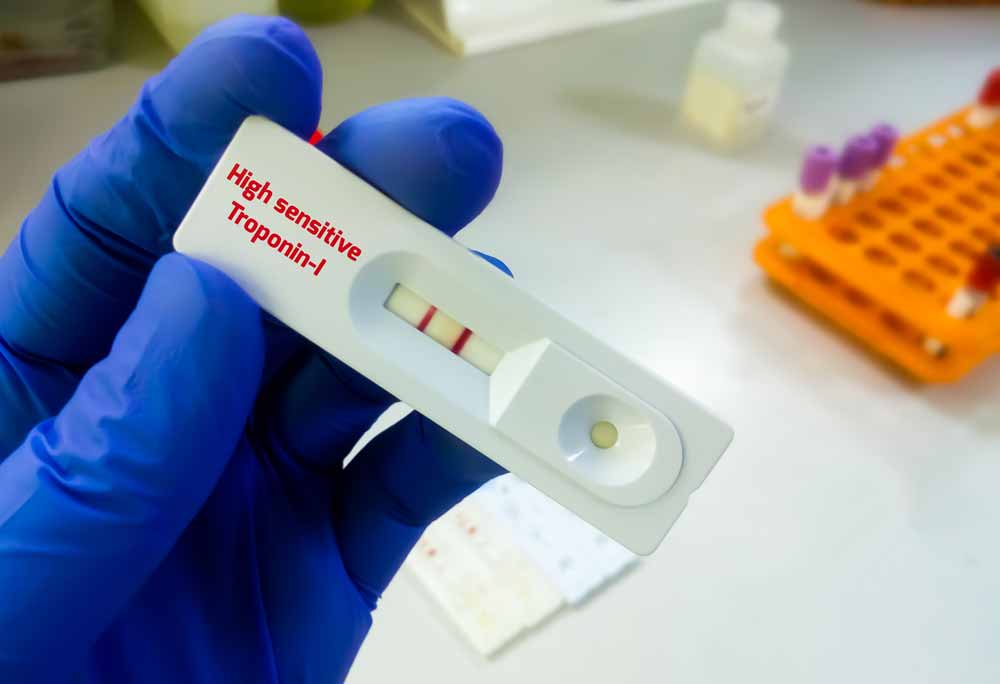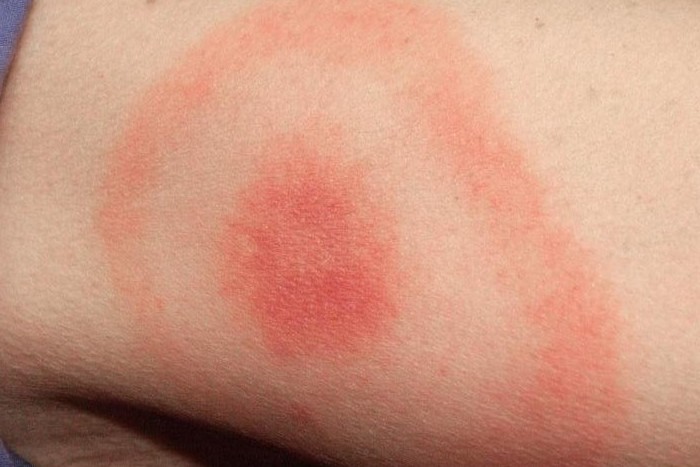
CRUSADE Score for Post-MI Bleeding Risk


CRUSADE Score for Post-MI Bleeding Risk Stratifies bleeding risk after NSTEMI. Currently, the CRUSADE bleeding risk score recommended for risk stratification for major bleeding in patients presenting with NSTEMI or STEMI prior to initiation of treatment.
<31
31-33.9
34-36.9
37-39.9
≥40
≤15
>15-30
>30-60
>60-90
>90-120
>120
≤70
71-80
81-90
91-100
101-110
111-120
≥121
Male
Female
Yes
No
Yes
No
Yes
No
≤90
91-100
101-120
121-180
181-200
≥201
| Points | Risk category stratification of the major bleeding | Score range | Risk of major bleeding, % |
|---|---|---|---|
| 0 | 0 | 0 | 0 |
For CRUSADE score assessment provide addition of the selected points.
| Criteria | Value | Points |
| Baseline hematocrit | <31 | +9 |
| 31-33.9 | +7 | |
| 34-36.9 | +3 | |
| 37-39.9 | +2 | |
| ≥40 | 0 | |
| Creatinine clearance, mL/min | ≤15 | +39 |
| >15-30 | +35 | |
| >30-60 | +28 | |
| >60-90 | +17 | |
| >90-120 | +7 | |
| >120 | 0 | |
| Heart rate | ≤70 | 0 |
| 71-80 | +1 | |
| 81-90 | +3 | |
| 91-100 | +6 | |
| 101-110 | +8 | |
| 111-120 | +10 | |
| ≥121 | +11 | |
| Sex | Male | 0 |
| Female | +8 | |
| Signs of CHF at presentation | No | 0 |
| Yes | +7 | |
| Diabetes mellitus | No | 0 |
| Yes | +6 | |
| Prior vascular disease | No | 0 |
| Yes | +6 | |
| Systolic blood pressure, mm Hg | ≤90 | +10 |
| 91-100 | +8 | |
| 101-120 | +5 | |
| 121-180 | +1 | |
| 181-200 | +3 | |
| ≥201 | +5 |
If some parameters are within normal ranges:
| Heart rate | Norm: 60-100 | beats/min |
| Systolic BP | Norm: 100-120 | mm Hg |
| Hematocrit | Norm: 36-51 | % |
| Creatinine clearance | Norm: 88-137 | mL/min |
| Sex | Female +8 | Male 0 |
| Signs of CHF at presentation Ex: Orthopnea, SOB, DOE, rales, JVD, CXR findings of CHF | No 0 | Yes +7 |
| History of vascular disease | No 0 | Yes +6 |
| History of diabetes mellitus | No 0 | Yes +6 |
Interpretation:
| Risk category stratification of the major bleeding | Score range | Risk of major bleeding, % |
| Very low risk | ≤20 | 3.1% |
| Low risk | 21-30 | 5.5% |
| Moderate risk | 31-40 | 8.5% |
| High risk | 41-50 | 11.9% |
| Very high risk | >50 | 19.5% |
Defined major bleeding as:
- intracranial hemorrhage;
- retroperitoneal bleed;
- hematocrit drop ≥12%, any RBC transfusion when baseline hematocrit ≥28%, or any RBC transfusion when baseline hematocrit <28% with witnessed bleed.
Risks and benefits of anti-thrombotic therapy and invasive treatment should be carefully considered in ALL patients presenting with NSTEMI or STEMI.
Antithrombotic agents reduce ischemic risks in patients with NSTEMI and STEMI. However, major bleeding events are associated with worse outcomes in patients with ACS. The CRUSADE score was developed to stratify baseline risk of major bleeding in NSTEMI patients to facilitate optimal treatment selection. A subsequent study also validated the score in patients with STEMI as well.
Besides, study comparing the performance of the ACTION, CRUSADE and Mehran et al. bleeding risk scores in predicting major bleeding events in patients with both NSTEMI and STEMI (despite the fact that CRUSADE was originally developed for NSTEMI patients) found that the CRUSADE score was the most accurate of the three in patients undergoing coronary angiography.
The CRUSADE bleeding risk score was subsequently validated in STEMI patients undergoing primary PCI though overall bleeding risk was lower in this population.
The CRUSADE bleeding risk score may have decreased utility in NSTEMI patients who receive 2 or more anti-thrombotic agents but do not undergo PCI.
CRUSADE was then compared to the ACUITY-HORIZONS and ACTION bleeding risk scores in a population of STEMI patients undergoing primary PCI showed that CRUSADE performed similarly to the ACTION risk score, but was superior to HORIZONS.
Alternative bleeding risk scores may also be utilized in certain groups of patients.
Literature:
Subherwal S, Bach RG, Chen AY, Gage BF, Rao SV, Newby LK, Wang TY, Gibler WB, Ohman EM, Roe MT, Pollack CV Jr.,Peterson ED, Alexander KP. Baseline risk of major bleeding in non‐ST‐segment‐elevation myocardial infarction: the CRUSADE (Can Rapid risk stratification of Unstable angina patients Suppress Adverse outcomes with Early Implementation of the ACC/AHA Guidelines) Bleeding Score. Circulation. 2009; 119:1873-1882 https://pubmed.ncbi.nlm.nih.gov/19332461/
Abu-Assi E, Gracía-Acuña JM, Ferreira-González I, et al. Evaluating the Performance of the Can Rapid Risk Stratification of Unstable Angina Patients Suppress Adverse Outcomes With Early Implementation of the ACC/AHA Guidelines (CRUSADE) bleeding score in a contemporary Spanish cohort of patients with non-ST-segment elevation acute myocardial infarction. Circulation 2010; 121(22):2419-26 https://pubmed.ncbi.nlm.nih.gov/20497978/
Abu-Assi E, Raposeiras-Roubin S, Lear P, et al. Comparing the predictive validity of three contemporary bleeding risk scores in acute coronary syndrome. Eur Heart J Acute Cardiovasc Care 2012; 1(3):222-31 https://pubmed.ncbi.nlm.nih.gov/24062910/
Ariza-Solé A, Sánchez-Elvira G, Sánchez-Salado JC, et al. CRUSADE bleeding risk score validation for ST-segment-elevation myocardial infarction undergoing primary percutaneous coronary intervention. Thromb Res 2013; 132(6):652-8 https://pubmed.ncbi.nlm.nih.gov/24112751/
Flores-Ríos X, Couto-Mallón D, Rodríguez-Garrido J, et al. Comparison of the performance of the CRUSADE, ACUITY-HORIZONS, and ACTION bleeding risk scores in STEMI undergoing primary PCI: insights from a cohort of 1391 patients. Eur Heart J Acute Cardiovasc Care 2013; 2(1):19-26 https://pubmed.ncbi.nlm.nih.gov/24062930/
Register on our website right now to have access to more learning materials!
Tisdale Risk Score for QT Prolongation

Simulation-Based Medical Education: BSMU Students in ClinCaseQuest Simulations (Video)
Simulation-based medical education is a key component of modern medical training. This video demonstrates how…
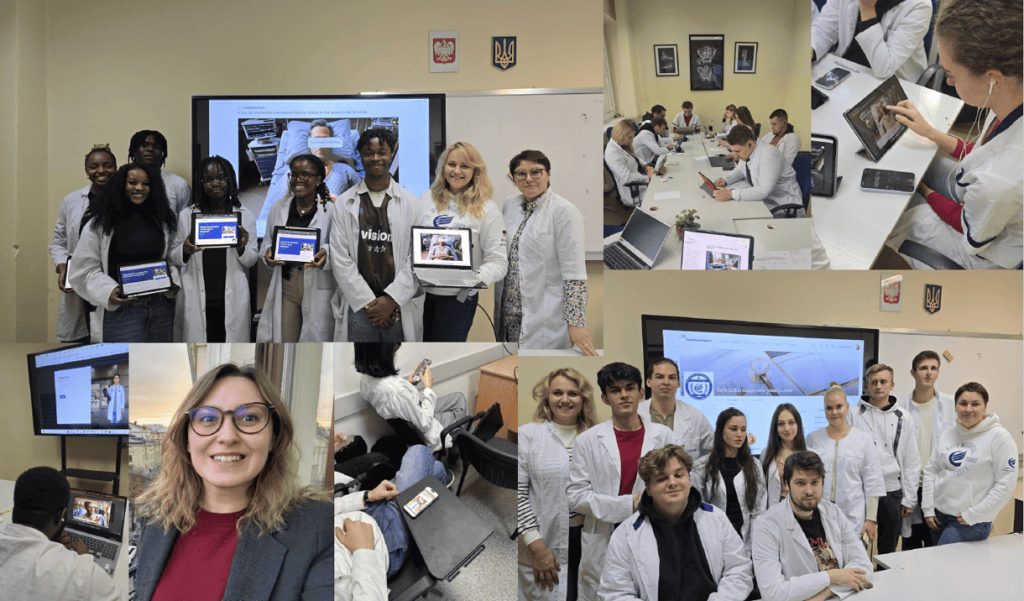
Three Research Directions Emerging from the ClinCaseQuest Simulation Study
ClinCaseQuest research reveals three key directions shaping medical education: psychological safety, clinical reasoning analysis, and…

Defragmented Debriefing Model as a Tool for Psychological Safety in Simulation Training
At the 6th International Scientific and Practical Conference “Medical Simulation: A Look into the Future”,…

Attempt-Based Analysis: A New Paradigm for Assessing Clinical Reasoning in Simulation
ClinCaseQuest is proud to highlight the presentation of Tetiana Antofiichuk, MD, PhD, at the international…
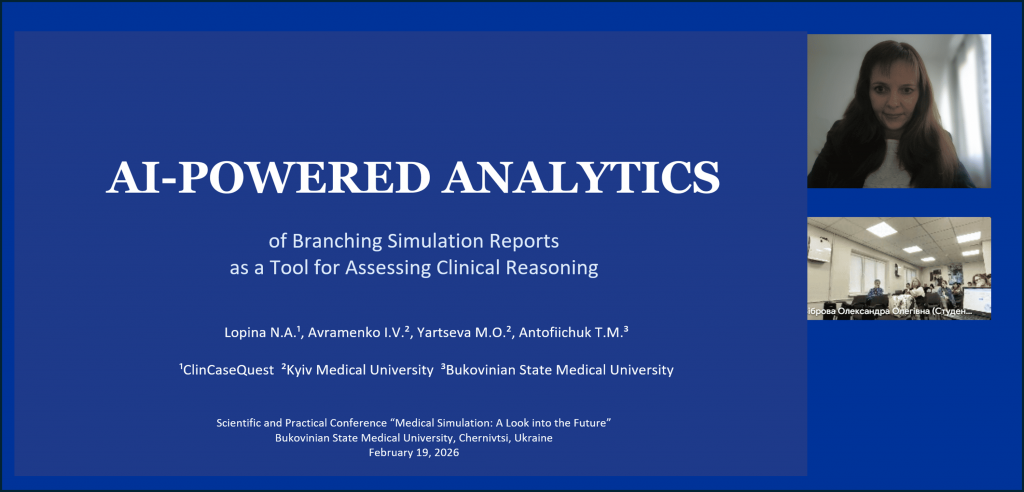
ClinCaseQuest presented the first experience of analyzing branching simulation logs based on artificial intelligence at the “Medical Simulation: A Look into the Future” Conference
ClinCaseQuest is pleased to share our participation in the scientific and practical conference “Medical Simulation:…

AI-Driven Patient Simulator – Quick Feedback
🗣️ We Value Your Feedback Thank you for your interest in the AI-Driven Patient Simulator!…