Baseline Cardiovascular Risk Assessment in Cancer Patients Scheduled to Receive Cardiotoxic Cancer Therapies (Anthracycline Chemotherapy) – Online Calculator


Baseline cardiovascular risk assessment in cancer patients scheduled to receive cardiotoxic cancer therapies (Anthracycline Chemotherapy) from the Cardio-Oncology Study Group of the Heart Failure Association of the European Society of Cardiology in collaboration with the International Cardio-Oncology Society (HFA-ICOS).
| Risk factors | Score | Level of evidence |
| Previous cardiovascular disease | ||
| Heart failure or cardiomyopathy | Very high | B |
| Severe valvular heart disease | High | C |
| Myocardial infraction or previous coronary revascularization (PCI or CABG) | High | C |
| Stable angina | High | C |
| Baseline LVEF <50% | High | B |
| Borderline LVEF 50-54% | Medium2 | C |
| Cardiac biomarkers (where available) | ||
| Elevated baseline troponin | Medium1 | C |
| Elevated baseline BNP or NT-proBNP | Medium1 | C |
| Demographic and cardiovascular risk factors | ||
| Age ≥80 years | High | B |
| Age 65–79 years | Medium2 | B |
| Hypertension | Medium1 | B |
| Diabetes mellitus | Medium1 | C |
| Chronic kidney disease | Medium1 | C |
| Previous cardiotoxic cancer treatment | ||
| Previous anthracycline exposure | High | B |
| Prior radiotherapy to left chest or mediastinum | High | C |
| Previous non-anthracycline-based chemotherapy | Medium1 | C |
| Lifestyle risk factors | ||
| Current smoker or significant smoking history | Medium1 | C |
| Obesity (BMI >30 kg/m2) | Medium1 | C |
a Elevated above the upper limit of normal for local laboratory reference range.
b Systolic blood pressure >140 mmHg or diastolic blood pressure >90 mmHg, or on treatment.
c Glycated haemoglobin >7.0% or >53 mmol/mol, or on treatment.
d Estimated glomerular filtration rate <60 mL/min/1.73 m2.
HFA-ICOS risk assessment
| no risk factor OR one medium1 risk factor | Low risk | <2% |
| medium risk factors with a total of 2–4 points | Medium risk | 2-9% |
| medium risk factors with a total of ≥5 points OR any high risk factor | High risk | 10-19% |
| any very high risk factor | Very high risk | >20% |
Register on our website right now to have access to more learning materials!
Subscribe to our pages:

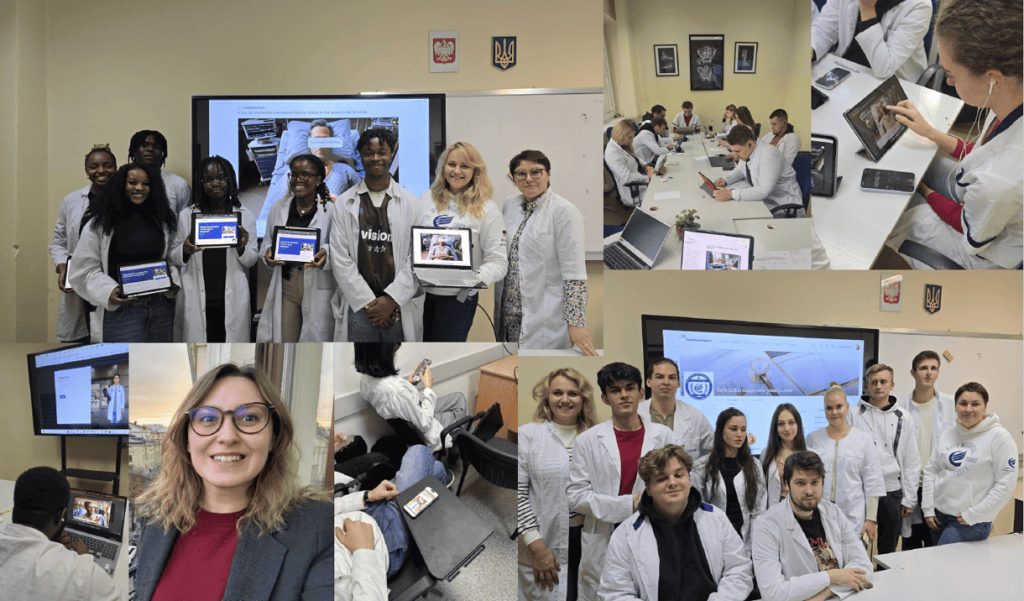
Simulation-Based Medical Education: BSMU Students in ClinCaseQuest Simulations (Video)
Simulation-based medical education is a key component of modern medical training. This video demonstrates how…
Three Research Directions Emerging from the ClinCaseQuest Simulation Study
ClinCaseQuest research reveals three key directions shaping medical education: psychological safety, clinical reasoning analysis, and…

Defragmented Debriefing Model as a Tool for Psychological Safety in Simulation Training
At the 6th International Scientific and Practical Conference “Medical Simulation: A Look into the Future”,…
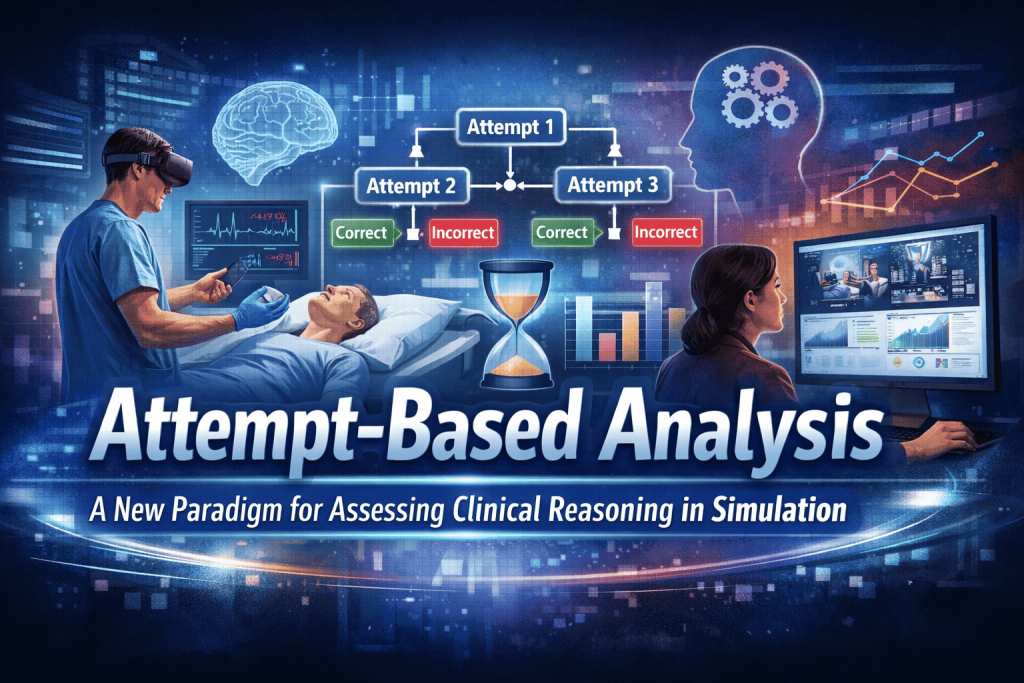
Attempt-Based Analysis: A New Paradigm for Assessing Clinical Reasoning in Simulation
ClinCaseQuest is proud to highlight the presentation of Tetiana Antofiichuk, MD, PhD, at the international…
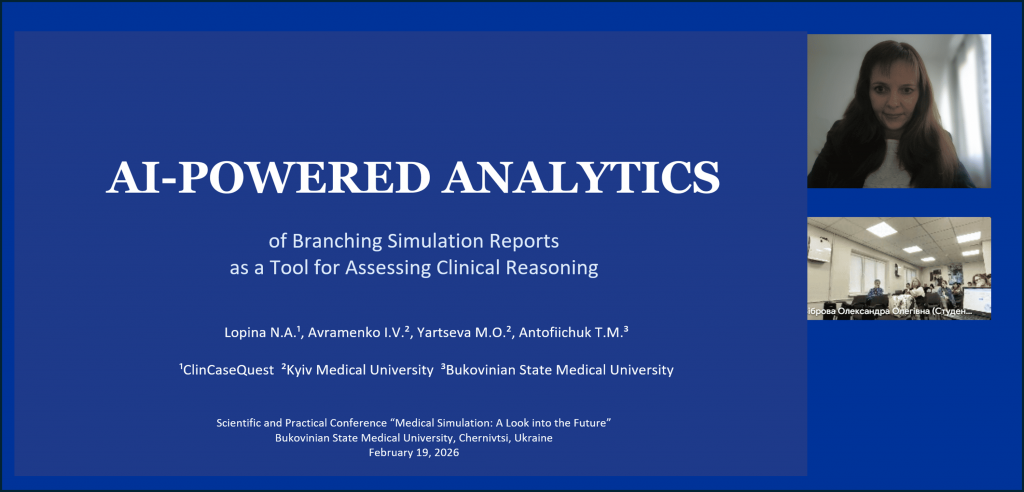
ClinCaseQuest presented the first experience of analyzing branching simulation logs based on artificial intelligence at the “Medical Simulation: A Look into the Future” Conference
ClinCaseQuest is pleased to share our participation in the scientific and practical conference “Medical Simulation:…

AI-Driven Patient Simulator – Quick Feedback
🗣️ We Value Your Feedback Thank you for your interest in the AI-Driven Patient Simulator!…